

By: Aung Htun Lin & Sofie Mortensen
22 / July / 2026
Emotions are a foundational part of our existence and affect how we experience and navigate conditions of life. Indeed, as shown in the growing field of emotional political ecologies, emotions are both shaped by and shape environmental change (Dutta 2020; Rusansky 2021; Sultana 2020). Yet, researchers, including political ecologists, often continue to depict the world as an emotionally barren terrain and studying emotions proves difficult. Political ecologists have recently called for more methodological experiments, including action research, which can be used in combination with the arts to engage the mind and body, areas that are usually underexplored (González-Hidalgo and Zografos 2020). Building on this, we explore how the visual method photovoice helps capture how exploitation and migration change people’s emotional life. Working with young Myanmar migrants in Thailand’s agro-industry, we show how poor work conditions and insecure documentation status cause fear and frustration, and significantly affect the possibility of young migrants’ to achieve their dreams (see also Mortensen 2024a). At the same time, we show how emotions affect how young migrants navigate such experiences. In doing so, emotions help us shed light on people’s agency, even if it is constrained by suppressive structures (see also Mortensen & Questiaux 2024). Understanding how emotions are tied to agency thus, is important for political ecologists, because it means that emotions shape outcomes of changes such as environmental change. Emotional ties to land, for example, can help us explain why young people, in contrast to what is expected, aspire to return (see also Mortensen 2024b). Photovoice helps us enter the emotional world, enabling visualizations and narrations of the difficulties, daily lives and dreams of migrant workers. Importantly, as we discuss in the conclusion, studying emotions comes with great responsibility of care.
Tens of thousands of Myanmar migrants live and work in Tak Province’s many agricultural fields. Here they produce crops such as vegetables, fruits, flowers and corn for Thai and ethnic minority Hmong, Lisu and Akha farmers. They often receive salaries that are half of the minimum wage, making it difficult to make ends meet and are heavily exposed to fertilizers and pesticides, which they spray without protection or training. They are largely undocumented and hired as daily laborers, leaving them with very few rights.
The vast majority of migrant workers come to Thailand to save money to buy land, construct a house and set up a life in Myanmar. In reality, however, they tend to stay for decades, as the low salaries make it very difficult to reach their goals. This worsened during the COVID-19 pandemic, where increasingly irregular work put many workers into debt. Also the 2021 military coup in Myanmar continues to shatter many dreams (Mortensen 2024a; Mortensen 2024b).
While the conditions in the agro-industry and the political situation in Myanmar shape people’s lives, the migrants also have agency, even if it is constrained. Aware of the injustices they face, they continue to live their everyday lives and work towards a better future. However, they have few opportunities to tell their stories. Hoping to provide a way for migrants to find ways to tell their story, we invited forty young women and men from the migrant communities to participate in photovoice projects during 2022. Throughout the process, the migrants expressed great interest in learning about photography as a way to express themselves. Basic training in photography was therefore followed by more advanced training with a professional Burmese photographer. The migrants were then asked to take photos of their daily lives as migrant workers. After a week of taking photos, we asked the migrants to select 10 photos, and asked them to recount: what do you see in the photo, why did you take it, how do you feel when you see it, and to give it a title. Finally, the migrants were asked to select a few photos each to exhibit. The photos were exhibited in Mae Sot, an important border town and NGO hub in Thailand, and in Bangkok. We now share some of them with you here.
A lot of the photovoices included stories of the difficult conditions that migrants work under, both in terms of the hard and dangerous labor they provide, the low salaries and associated frustrations. These are shared by the migrant workers C.K.O. and M.O. (Photo 1 and 2).
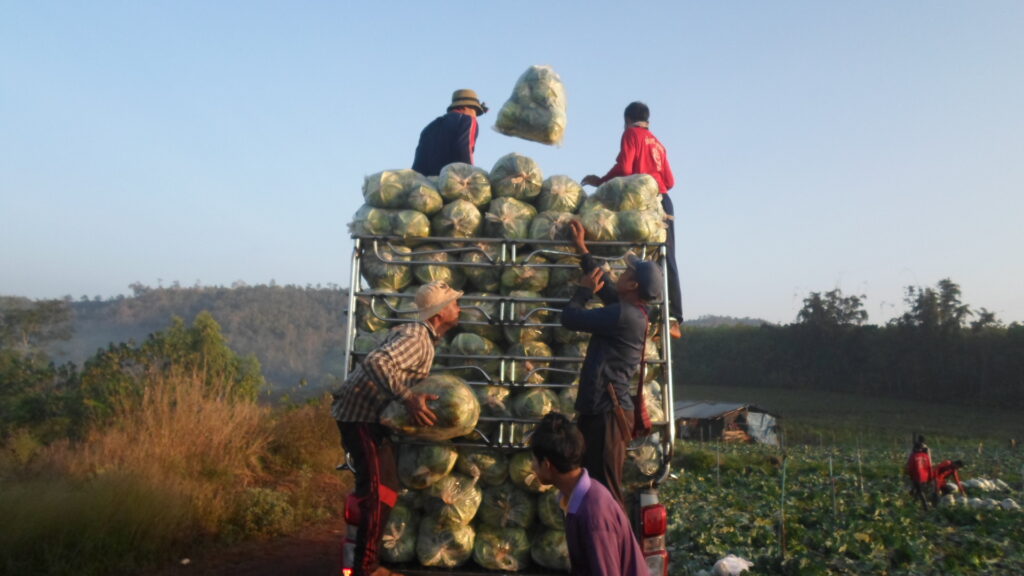
It is not an easy job to work in the agricultural sector. You may see how hard we work and how tired we are by looking at this photo. Some days we need to collect the cabbage and prepare seven cars during the morning only. It makes us so tired and frustrated. Sometimes, our employer scolds us if we package the cabbage unsystematically or wrong. I want other people to know how we are working for our survival.
စိုက်ပျိုးရေးလုပ်ငန်းခွင်မှာ လုပ်ကိုင်ရတာ လွယ်ကူတဲ့ အလုပ်တော့ မဟုတ်ပါဘူး။ ဤဓါတ်ပုံကို ကြည့်ခြင်းအားဖြင့် ကျွနုပ်တို့သည် မည်မျှပင်ပင်ပန်းပန်းသည်ကို သင်မြင်နိူင်ပါတယ်။ တစ်နေ့နေ့မှာတော့ ဂေါ်ဖီထုပ်ကို စုဆောင်းပြီး မနက်ပိုင်းမှာ ကားခုနှစ်စီးစာလောက် ကားပေါ်တင်ပေးရင်း ပြင်ဆင်ပေးရတယ် အဲ့အလုပ်က ကျွန်တော်တို့ကို အရမ်းပင်ပန်းစေပြီး စိတ်ပျက်စေတယ်။ တစ်ခါတရံမှာ ဂေါ်ဖီထုပ်ကို စနစ်တကျ ဒါမှမဟုတ် မှားယွင်းထုတ်ပိုးမိရင် ကျွန်တော်တို့ လုပ်ငန်းရှင်က ကြိမ်းမောင်းတယ်။ ကျွန်တော်တို့ ရှင်သန်မူအတွက် ဘယ်လိုအလုပ်လုပ်နေရတယ်ဆိုတာ အခြားသူတွေကိုလည်း သိစေချင်တယ်။
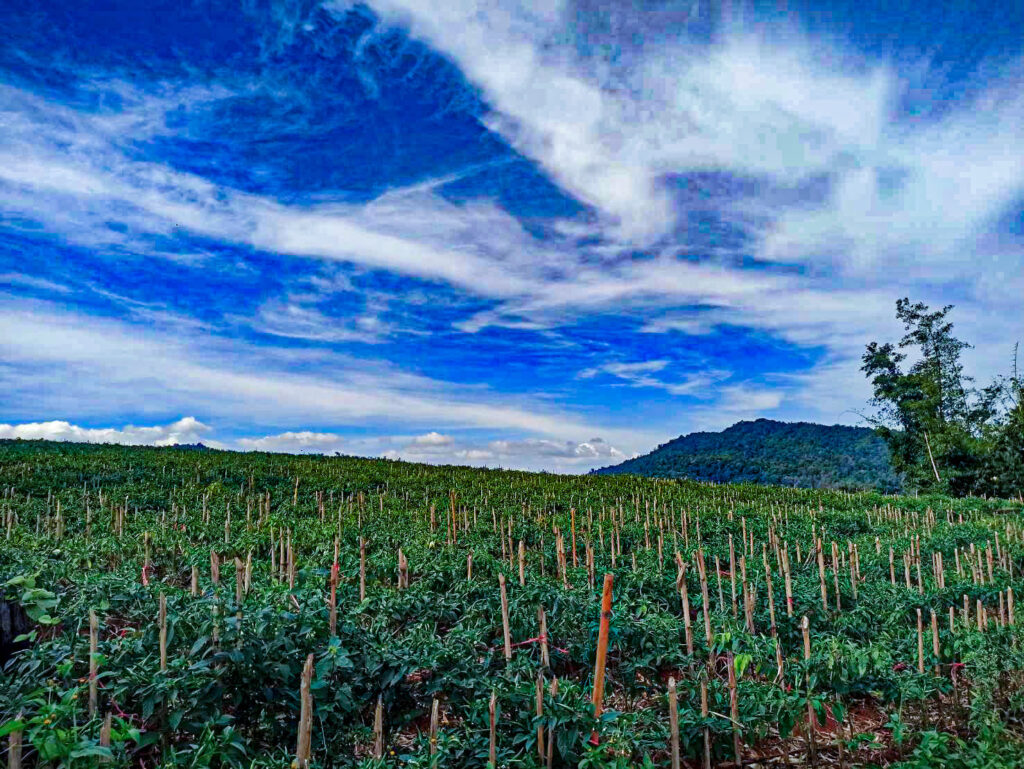
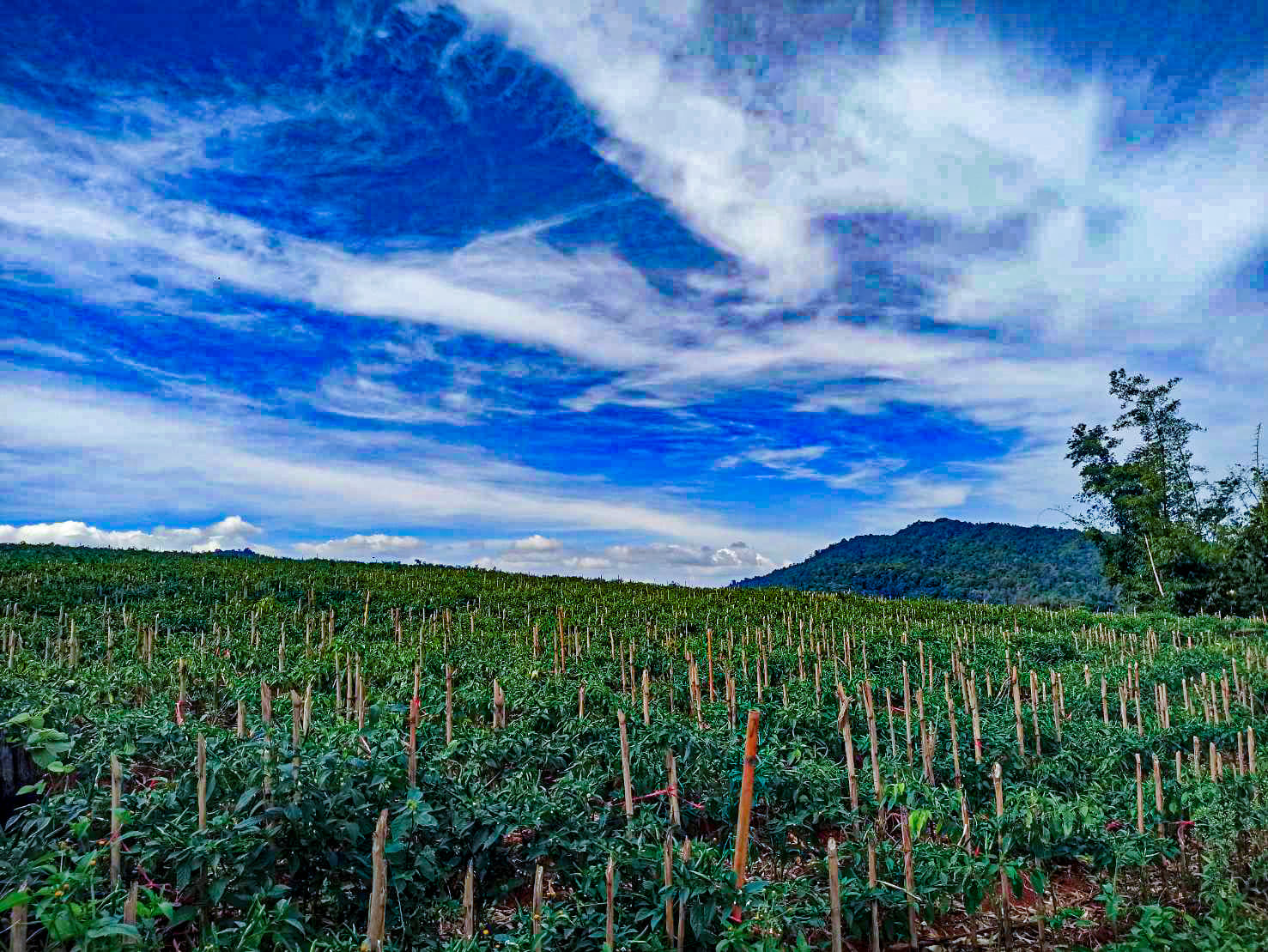
This photo has two purposes; the first is to show pure beauty. The other is to show the working place. It is a chili plantation where I spray fertilizer and collect the chili. Sometimes it touches my eyes and skin and it itches a lot. If people do not know about this place, they may think it is really nice but they do not know what is beyond.
ဤဓါတ်ပုံတွင် ရည်ရွယ်ချက် နှစ်ခုရှိတယ်။ ပထမတခုကတော့ အလှတရားကို ပြသချင်တာရယ်။ နောက်တခုက လုပ်ငန်းခွင်ကို ပြချင်တာ။ ဒါကတော့ ငရုတ်ခင်းတစ်ခင်း ဖြစ်ပါတယ် ကျွန်တော် ဓါတ်မြေသြဇာဖြန်းရတဲ့ နေရာ၊ ငရုတ်သီးများကို ခူးရတဲ့ နေရာပါ။ ပိုးသတ်ဆေးဖြန်းနေရင်း တစ်ခါတရံ မျက်လုံးနဲ့ အရေပြားကို ထိမိပြီး အရမ်းယားယံတယ်။ လူတွေက ဒီနေရာကို မသိရင်တော့ တကယ်ကောင်းတဲ့နေရာလို့ ထင်ချင် ထင်မိမှာပါ တကယ့်လက်တွေ့မှာ အလှဓါတ်ပုံရဲ့ နောက်ကွယ်က အခက်အခဲများကို မသိကြဘူး။
In addition to difficult work conditions, the photovoices also captured the very poor living standards of migrant workers. The migrants are responsible for building their own houses, often using materials such as bamboo and old fertilizing bags. In some areas, they are built so closely together that it resembles urban settlements, and toilets are not enough to cater the whole migrant community. In her photovoice, T.K. shares her feelings of living as a migrant in another country (Photo 3).
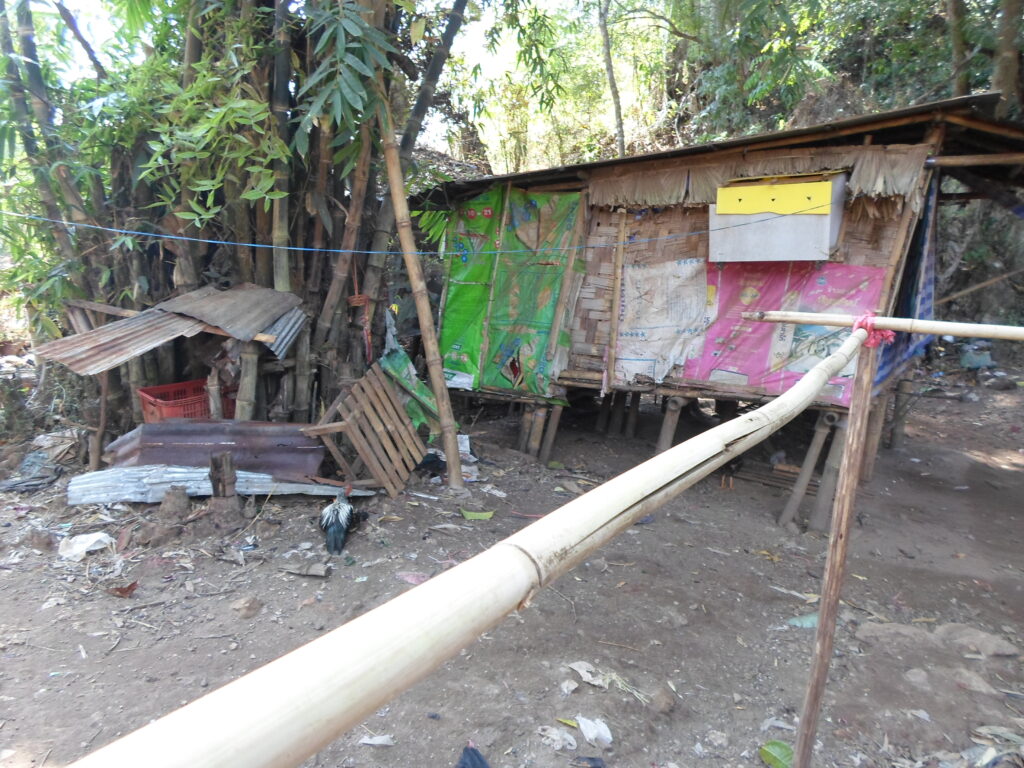
This is the lives of migrants. We are living in poor conditions. I feel that I do not want my children to live like that. I want to show the living conditions of Burmese workers living in another country. It is not clean and in the rainy season, there is flooding. Because we live in another country, we cannot choose our living space. We have to live in the space that the employer gives us. I feel really upset that we do not have our house and own land, our own space. Even if we do not want to live in these conditions, we have to.
ဒါက ရွှေ့ပြောင်းမြန်မာပြည်သားအလုပ်သမားများ၏ နေထိုင်ရတဲ့ ဘဝအမှန်တွေပါ။ ကျွန်မတို့ ဆင်းဆင်းရဲရဲ နေထိုင်ကြရတယ်။ ကျွန်မတို့ သား၊ သမီးတွေကို ဒီလိုအခြေအနေမျိုးအောက်မှာ မထားချင်ဘူးလို့ ခံစားရတယ်။ တခြားနိူင်ငံမှာ နေထိုင်နေရတဲ့ မြန်မာရွှေ့ပြောင်းအလုပ်သမား များရဲ့ ဘဝနေထိုင်မူအခြေအနေများကို ဖော်ပြချင်တယ်။ မိုးရာသီမှာ ရေကြီးရေလျှံနဲ့ ကြံရတယ် နေထိုင်မူနေရာ သန့်ရှင်းသန့်ရပ်မူ မရှိဘူး။ တခြားနိူင်ငံမှာ နေထိုင်နေရတဲ့အတွက်ကြောင့် ရွေးချယ်စရာမရှိတဲ့အခါ အဆင်ပြေသလို နေရတယ်။ ကိုယ်ပိုင်အိမ်၊ မြေ ၊ ကိုယ်ပိုင်နေရာ မရှိလို့ စိတ်မကောင်း ဖြစ်ရတယ်။ လုပ်ငန်းရှင်များရဲ့ နေခွင့်ပြုသည့် နေရာများကိုသာ နေခွင့်ရတယ်။ ဒီလို အခြေအနေမျိုးမှာ မနေချင်ဘူးဆိုရင်တောင်မှ နေရတယ်။
While these are very difficult emotions associated with the conditions migrants’ live under, the photovoices also capture the community life, which helps them cope and find moments to enjoy their daily life. In their two photos, the young migrant women T.W. and H.W.Y. share how they enjoy their break times with fellow migrant workers.
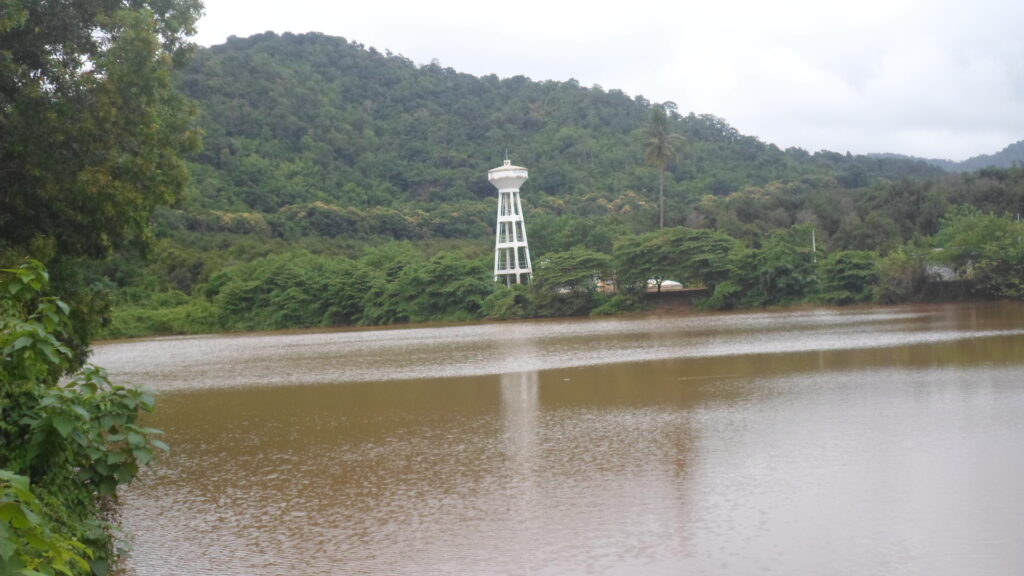
Here you have the view of the mountain, the reflection of water and it is so pleasant. After I took this photo, my friends also came to this place to relax after long hours of work.
ဒီနေရာက တောင်တန်းကြီးရဲ့ မြင်ကွင်း၊ ရေရဲ့ ရောင်ပြန်ဟပ်မူကို ခံစားရတာ အရမ်းသာ ယာတယ်။ ဒီဓါတ်ပုံရိုက်ပြီးတဲ့ နောက်ပိုင်း သူငယ်ချင်းတွေနဲ့လည်း အချိန်အကြာပြီး အလုပ်ပြီးတဲ့အခါ အနားယူဖို့ ဒီနေရာကို သွားလည်လေ့ရှိတယ်။
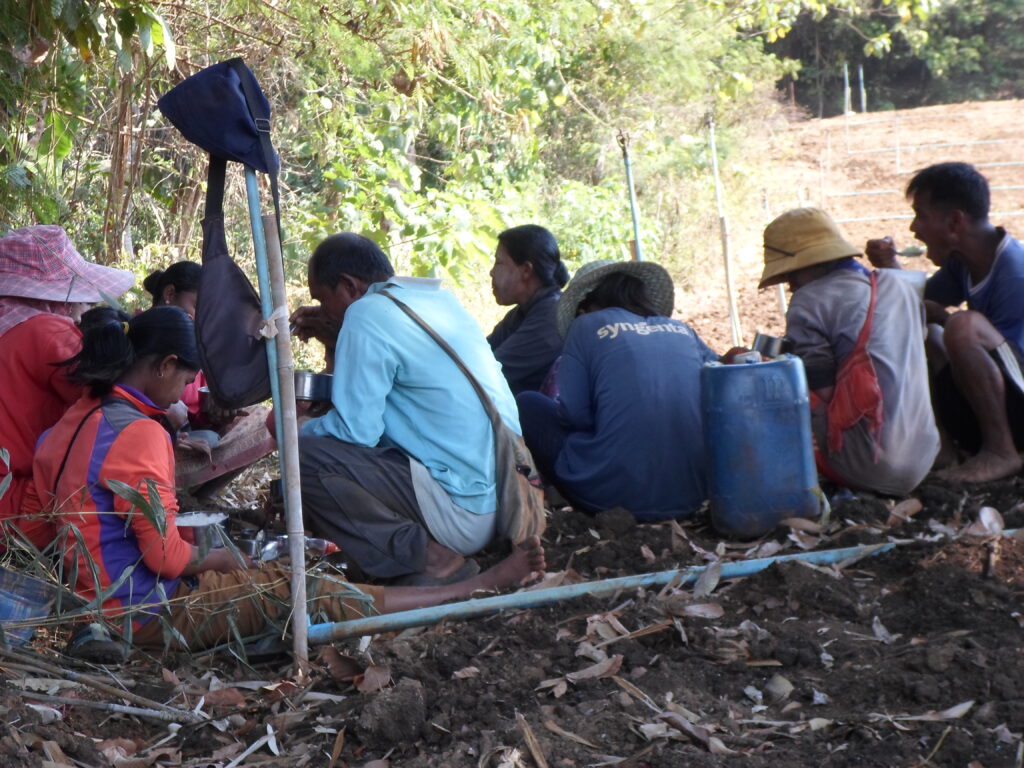
This is the half of the day and we have a break for lunch. In the workplace we eat together and share our lunch. We know each other and we talk about a lot of funny things. It is break time but the time passes so quickly. After we finished lunch we had to start work again.
ဒါက နေ့တစ်ဝက်ဆိုတော့ နေ့လည်စာ စားဖို့ အချိန်ခဏနားတယ်။ အလုပ်လုပ်တဲ့ နေရာမှာပဲ အတူတူ စားကြပြီး နေ့လည်စာကို အတူတူ မျှဝေစားသုံးကကြတယ်။ တစ်ယောက်နဲ့ တစ်ယောက် ရင်းနှီးကြပြီး ရယ်စရာတွေ အများကြီး ပြောကြတယ်။ အချိန်က အနားယူချိန်ဖြစ်ပေမယ့် အချိန်က အရမ်းမြန်တယ်။ နေ့လည်စာ စားပြီးတာနဲ့ အလုပ်ပြန်လုပ်ရမှာ။
Through the photovoices, the migrant workers are able to share not only their current material and emotional conditions but also their dreams for the future. Those were shared by the young men H.H.O. and Z.K.P. (Photo 6 and 7).
အိမ်မက်များ
ရုပ်ပုံလွှာအသံများမှတစ်ဆင့် ရွှေ့ပြောင်းအလုပ်သများများ သူတို့၏ ရုပ်ပိုင်းဆိုင်ရာ အခြေအနေသာမက၊ သူတို့၏ စိတ်ခံစားချက်များကိုပါ မျှဝေနိုင်ကြသည်။ အများစုက ထိုင်းနိုင်ငံမှာ အလုပ်လုပ်ရခြင်းသည် သူတို့ရဲ့ အနာဂတ်အတွက် ရည်ရွယ်ထားသည်။ ၎င်းအိမ်မက်က မြန်မာနိုင်ငံသို့ ပြန်သွားဖို့ အစီအစဉ်တွေ၊ အနာဂတ်အသက်မွေးဝမ်းကျောင်းအကြောင်းတွေပဲဖြစ်တယ်။ဤအိမ်မက်အကြောင်းကို ရွှေ့ပြောင်းအလုပ်သမားလူငယ်နှစ်ဦး ဖြစ်တဲ့ H.H.O. and Z.K.P. ပဲ ဖြစ်ပါတယ်။ ( ဓါတ်ပုံ ၆ နှင့် ၇ )
”ဂေါ်ဖီစိုက်ပျိုးခြင်းနည်းပညာ၏ ကျွမ်းကျင်မှု တတ်မြှောက်ချင်တယ်” by H.H.O.
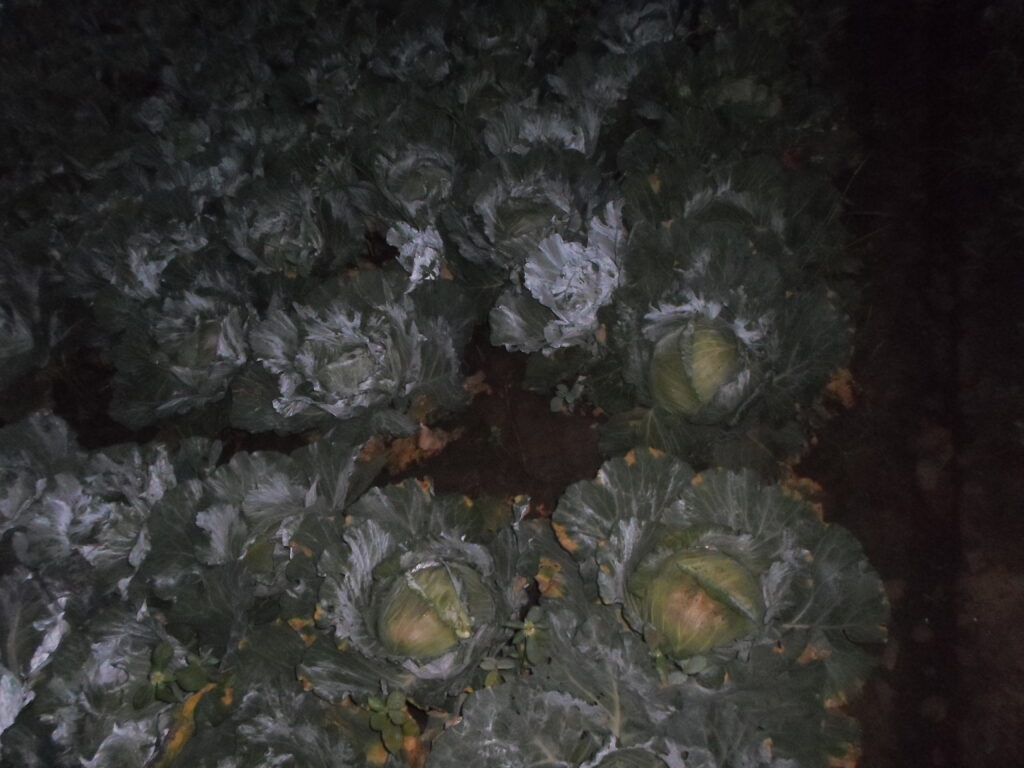
The main purpose of taking this photo is that I want to show how Thai farmers cultivate cabbage and plant it systematically by using techniques and tools. In the future, I am going to grow cabbage for commercial and consumption use, using the experience and skills that I have learned from my job. One day, I will apply this knowledge and skills on my farm if I have the opportunity.
ဗိုအောင်ရဲ့ ဒီဓါတ်ပုံရိုက်ရခြင်း၏ အဓိက ရည်ရွယ်ချက်က ထိုင်းလူမျိုးတောင်သူလယ်သမားများအား ဂေါ်ဖီကို စိုက်ပျိုးသည့်ရာတွင် နည်းပညာများနှင့် ကိရိယာတွေ အသုံးပြုပြီး စနစ်တကျ စိုက်ပျိုးခြင်းကို ထုတ်ဖော်ပြသချင်တာ ဖြစ်တယ်။ နောင်အနာဂတ်တွင် ကျွန်ပ်၏ အလုပ်ခွင်မှ သင်ယူလေ့လာရသည့် ကျွမ်းကျင်မှုနှင့် အတွေ့အကြုံများကို ပြန်လည်အသုံးချပြီး စီးပွားဖြစ်အတွက်သော်လည်းကောင်း၊ စားသုံးရန်အတွက်သော်လည်းကောင်း ဂေါ်ဖီထုပ်ကို စိုက်ပျိုးသွားမည် ဖြစ်ပါသည်။ တစ်ချိန်ချိန်မှာ အခွင့်အရေးရလာခဲ့မယ်ဆိုရင်ဖြင့် ဒီကျွမ်းကျင်မှုနှင့် အသိပညာဗဟုသုတများကို ပြန်လည်အသုံးချမှာ ဖြစ်တယ်။
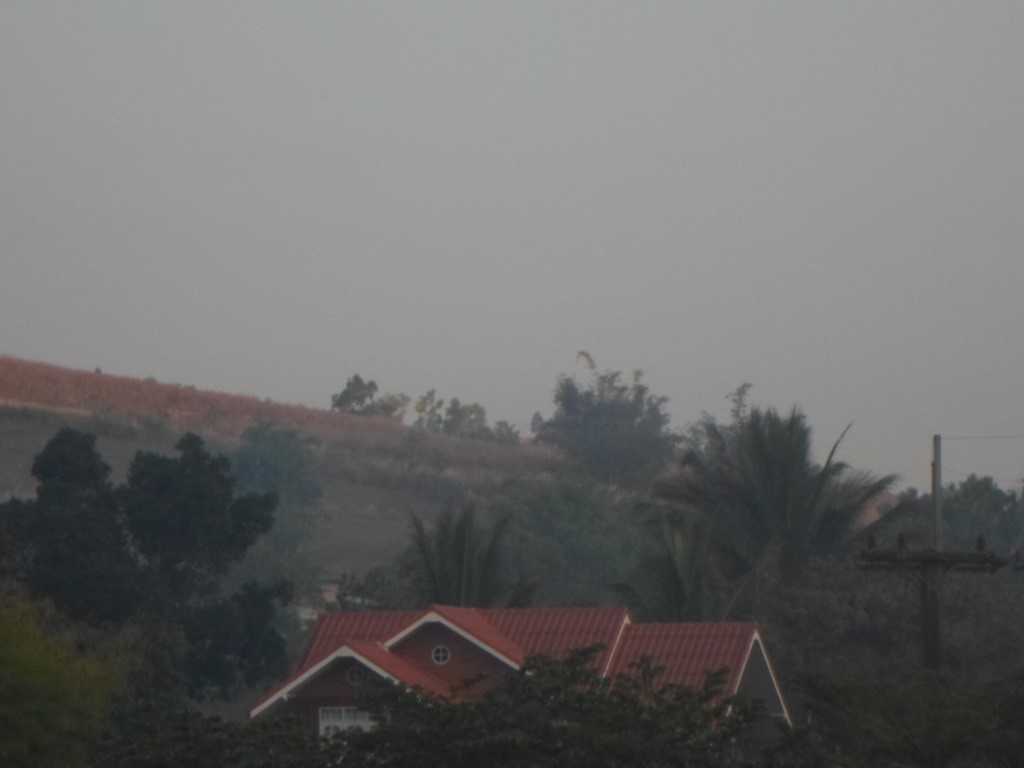
I usually look at this home and dream of having one in the future. I feel so joyful looking at this photo, thinking of my future dreams and expectations. For the dream to come true, I am working hard.
အမြဲတမ်းဒီအိမ်ကို ကြည့်ပြီး နောင်အနာဂတ်မှာ အိမ်လေးတစ်လုံး ပိုင်ဆိုင်ခွင့်ရဖို့ စိတ်ကူးအိမ်မက် ရှိတယ်။ ဤဓါတ်ပုံကို ကြည့်ရင်းနဲ့ ကျွန်ပ်ရဲ့ စိတ်ကူးအိမ်မက်တွေ၊ မျှော်လင့်ချက်တွေကို တွေးရင်း ပျော်ရွင်ကြည်နူးစိတ် ခံစားလာတယ်။ အိမ်မက်တွေကို လက်တွေ့ဖြစ်လာဖို့အတွက် အလုပ်တွေ ကြိုးစားနေလျက်ပါ။
The type of everyday knowledge created through photovoice is an important contribution to the field of (feminist/emotional) political ecologies because it stresses the importance of considering not only material but also emotional aspects of change. Seeing research participants as feeling subjects enables an increased empathy, which helps understand the context in which they live as well as the reasons behind their actions. Rather than a predefined set of questions about migrant life, photovoice allows the migrants to decide themselves, what they want to photograph and narrate. Such an open approach facilitates the production of more emotional narratives of everyday life (Coffey 2022). The migrants indeed took many photos of people and places they miss, or explain how their emotions are linked to their life as migrants. The emotional space that photovoice opens, however, comes with great responsibility and requires us to change the often hierarchical positioning of researchers and participants to relations of care. Doing so, can spur hopeful subjects (Wright 2012), and the young migrants explained how they never expected to have a space through exhibitions, where they, as a marginalized and invisibilized group, could share their emotional accounts of exploitation and migration. Young migrants further shared a relief in sharing their experiences with us researchers, exemplifying the therapeutic side-effects of a caring research practice (Bondi 2003). In the process of intentionally taking photos and narrating stories the invited young migrants construct at times political messages about their lives, which exemplifies the link between art, creativity, agency and emotions. Further, the visualizing aspect of photovoice is a powerful way for the young migrants to make themselves visible, and stresses the importance for political ecologists to consider how exploitation and migration hugely impacts emotional life in the here and now, and the future.
To see more photovoices, watch the online Southeast Asia Junction exhibition: My photo, my story: Daily lives, difficulties and dreams of Myanmar migrants in Thailand.
Bondi, L. 2003. Empathy and Identification: Conceptual Resources for Feminist Fieldwork. ACME: An International E-Journal for Critical Geographies 2 (1): 64–76.
Coffey, Julia. 2022. Images as ‘Potentials’: Feminist New Materialist Orientations to Photovoice. Qualitative Research 23 (4): 847–865. https://doi.org/10.1177/14687941211049334
Dutta, Madhumita. 2020. Workplace, Emotional Bonds and Agency: Everyday Gendered Experiences of Work in an Export Processing Zone in Tamil Nadu, India. Environment and Planning A: Economy and Space 52 (7): 1357–74. https://doi.org/10.1177/0308518X20904076.
González-Hidalgo, Marien, and Christos Zografos. 2020. Emotions, Power, and Environmental Conflict: Expanding the ‘Emotional Turn’ in Political Ecology. Progress in Human Geography 44 (2): 235–55. https://doi.org/10.1177/0309132518824644.
Mortensen, S. 2024a. Labour Abroad as a Struggle for Land: Young Migrants’ Dream of a Rural Return to Myanmar. Antipode. doi: 10.1111/anti.13095
Mortensen, S. 2024b. Rightless rurality: the illegalization of Myanmar migrant laborers in Thailand’s agro-industry. The Journal of Peasant Studies 51(7): 1508-1529. doi: 10.1080/03066150.2024.2340648
Mortensen, S. & Questiaux, F. 2024. Extending the ethnographic toolbox: photovoice and everyday experiences of marginalised groups. Gender, Place & Culture, 1–26. doi.org: 10.1080/0966369X.2023.2298788
Sultana, F. 2020. Political Ecology 1: From Margins to Center. Progress in Human Geography, June, 1–10. https://doi.org/10.1177/0309132520936751.
Rusansky, Tamara. 2021. Embroidering Resistance: Emotional, Embodied, Everyday Struggles of Women Affected by Dams in Brazil. Geoforum 127 (December): 126–36. https://doi.org/10.1016/j.geoforum.2021.10.006.
Wright, Sarah. 2012. “Emotional Geographies of Development.” Third World Quarterly 33 (6): 1113–27. https://doi.org/10.1080/01436597.2012.681500.
This work is supported by the “Staying Resilience Amid the Pandemic in Southeast Asia” initiative of SEA Junction in partnership with CMB and the European Union’s Horizon 2020 research and innovation programme under the Marie Sklodowska-Curie grant agreement No 801199.
22 / July / 2026
By: Gerónimo Barrera de la Torre y Carlo Nasisse
22 / July / 2026
By: Adrienne Johnson, Murphy Boksanski, Nicolette Mehdizadeh, Carly Mitchell, Katherine Mottola, Lawrence Philip Tablada Tacto, Isabella Well
22 / July / 2026
By: Emma Johansson
22 / July / 2026
By: Asamblea Socioambiental Huinganco con Adriana Arce, Maximiliano Navarrete y Mattias Borg Rasmussen
22 / July / 2026
By: Aung Htun Lin & Sofie Mortensen