By: Judith Krauss, Lynda Dunlop, Pen Holland, Doruk Balcı
20 / October / 2026
We were delighted to hold the third iteration of the Play for the Planet symposium in York, UK, on 24 April 2026, giving space to research presentations, but also an opportunity to play environmental games.
Play for the Planet is a network of the York Environmental Sustainability Institute (YESI), bringing together academics and professional services colleagues from different disciplines at the University of York, UK, and members from far beyond. In the last two iterations (2024 and 2025), we have been privileged to see the Play for the Planet symposium go from strength to strength, producing a vibrant canvas of environmental games, fabulous research and bright ideas from a global community of scholars, educators and games designers. Themes relevant to Grassroots have been prevalent throughout, such as environmental justice, climate breakdown, resource access struggles, and social inequalities in rural and urban contexts. What we have lacked, to date, is a mechanism to share the rich discussions and unresolved questions more widely.To share our discussions more widely, we have partnered with Grassroots-JPE to put together this visual essay as an accessible collective output.
As of now, the political ecology of games has not been explored systematically to our knowledge. We can only speculate as to why, yet some reasons may include political ecology’s dedication to in-depth, often ethnographic exploration of the situations of the global poor (Castree & Braun, 2001), and an emphasis on critical examination of the political and environmental struggles faced by those generally disadvantaged by power and justice in insecure environments (Duffy & Brockington, 2022). It might be argued that such struggles and dynamics are too serious to be made the subject of games.
At the same time, critical friends from within political ecology have called on it to move beyond solely critique – Eve Sedgwick (1997) worried if critique did more for the critic than the situation examined – and engage with more playful, artful and experimental approaches, especially in the Anthropocene (Braun, 2015). This could also be seen as part of a shift towards emotional political ecology (Sultana, 2015), resonating with feminist political ecology’s emphasis on the everyday as a starting point for analysis (Harcourt & Nelson, 2015; Sundberg, 2017). Others have underlined the need for more experimental and speculative (Harris & Santos, 2023), and affirmative, reflective political ecologies (Staddon et al., 2022). A related excellent contribution is the Pluriverse dictionary (Kothari et al., 2019), which shares a broad range of practical projects implementing political ecology’s normative principles of justice and sustainability, which again did not engage systematically with games, but highlighted the importance of playful approaches e.g. around pedagogy or eco-positive design.
While we do not aim to begin an all-encompassing exploration of political ecology and games here, our hope is that we have highlighted the kinship between political ecology principles and our Play for the Planet project, and specifically the visual essay shared here. As part of the third symposium, we got started on our collective output in a zine-making workshop led by Doruk Balcı, PhD researcher at the University of York, UK. Conferences are intense and fruitful events: people and ideas cross-pollinate with each other and find inspirations and new places they can grow. In this iteration of Play for The Planet, we wanted to create an explicit space where these inspirations can settle and find roots. To this end, we decided to use making collages playfully, using magazines and other items as materials, to just sit down at the end of a conference to slow down and engage in conversations. Making things with other people can be a great way to explore ideas and feelings as the materials we have in front of us, and the time dedicated to engage with them, give us a medium to reflect and express.
Over 100 attendees had registered for a day starting with some research blasts, brief interventions from different presenters on games they are developing, such as an after-game game on debriefing climate change board games, and challenges they have faced, e.g. in co-producing a game with schools. This was followed by two one-hour sessions of playing a total of 20 different games on fish, thriving farms, specific ecosystems, doughnut economics, cocoa and so much more, giving attendees and game makers the space and time to engage.
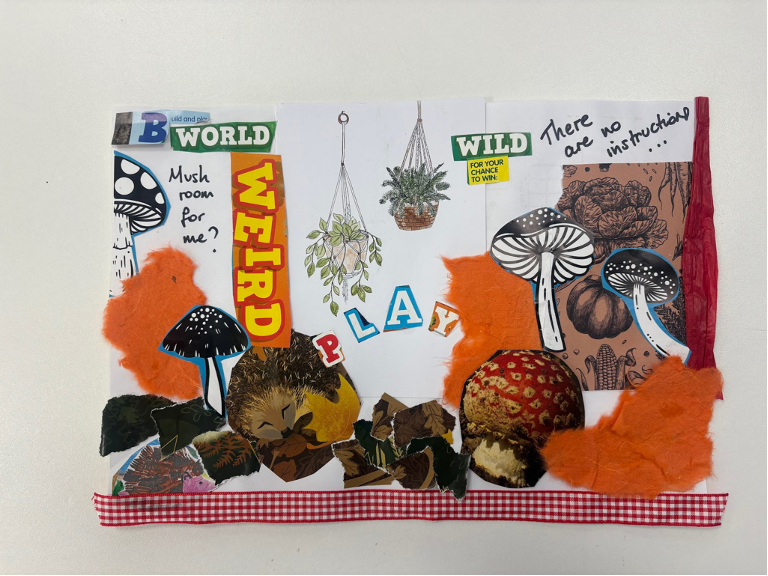
The zine-making workshop at the end of the day allowed attendees to create and share a collective zine to respond to the experiences of the day, in the spirit of affirmative and reflective political ecologies. This facilitated individual pages as part of the wider zine prioritising ideas of play, reinventing the future by and through nature, watching wonderful seeds grow, connecting, playing for biodiversity and climate resilience, and going nuts from technology and robots into nature. One collage highlighted ‘There is no Planet B’ while showcasing the beauty of puffins and other beings, linking to games making palpable fish management or Doughnut Economics both of which require collaboration to stop overusing Earth’s resources. Another strongly linked to flooding issues, highly pertinent across North Yorkshire, and the precarity of infrastructure, housing and livelihoods in the face of climate-induced extreme weather events, resonating with a game empowering school-age children to think about and have a voice on resolving flooding issues. Another emphasised the importance of starting small and watching seeds grow: arguably, this resonated with the Catastrophic game (cf below) which links small things such as an animal’s ability to burrow can affect an ecological community’s response to catastrophic environmental change, but also embodied a wider theme throughout the conference of sharing individual games and playful approaches as starting points for wider transformation of values, approaches and structures.
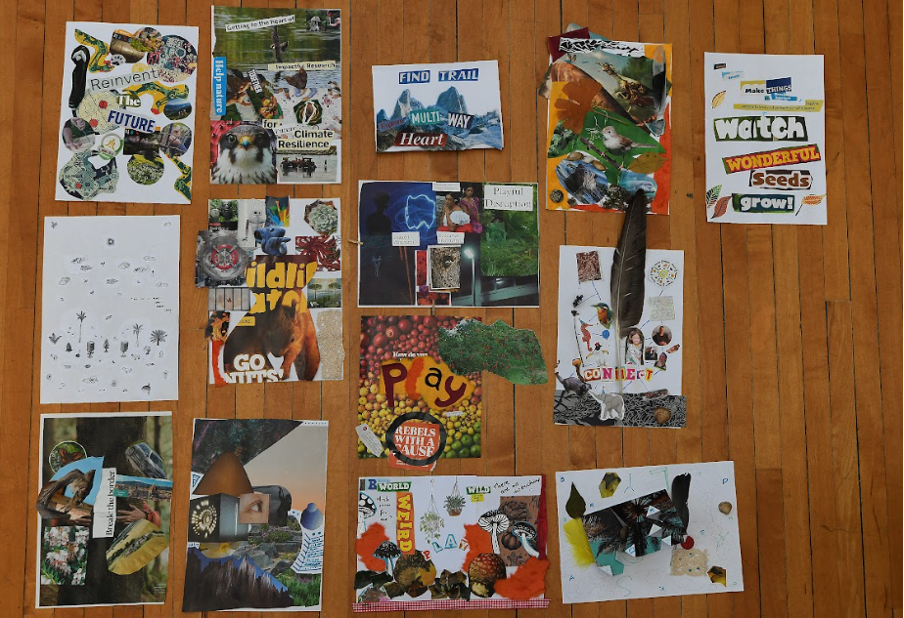
Photograph by Paul Shields
Individual collage pages with creators if indicated (photographs by Ruby Heywood-Teale):
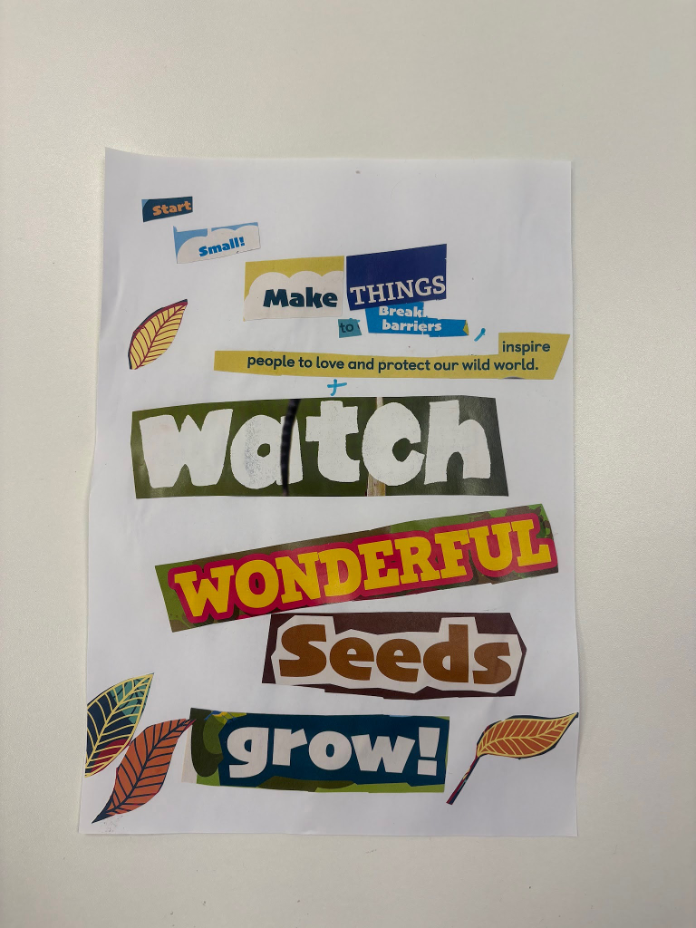
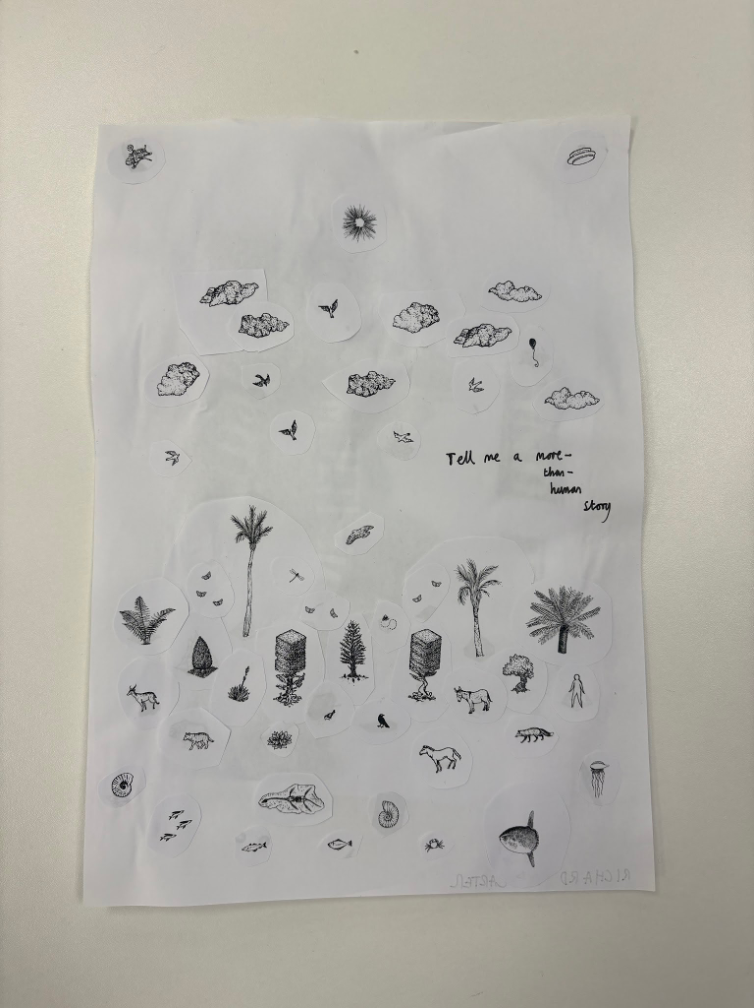
(Richard A. Carter)
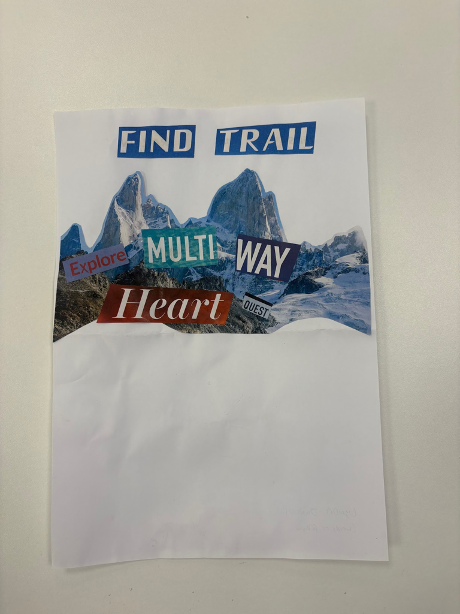
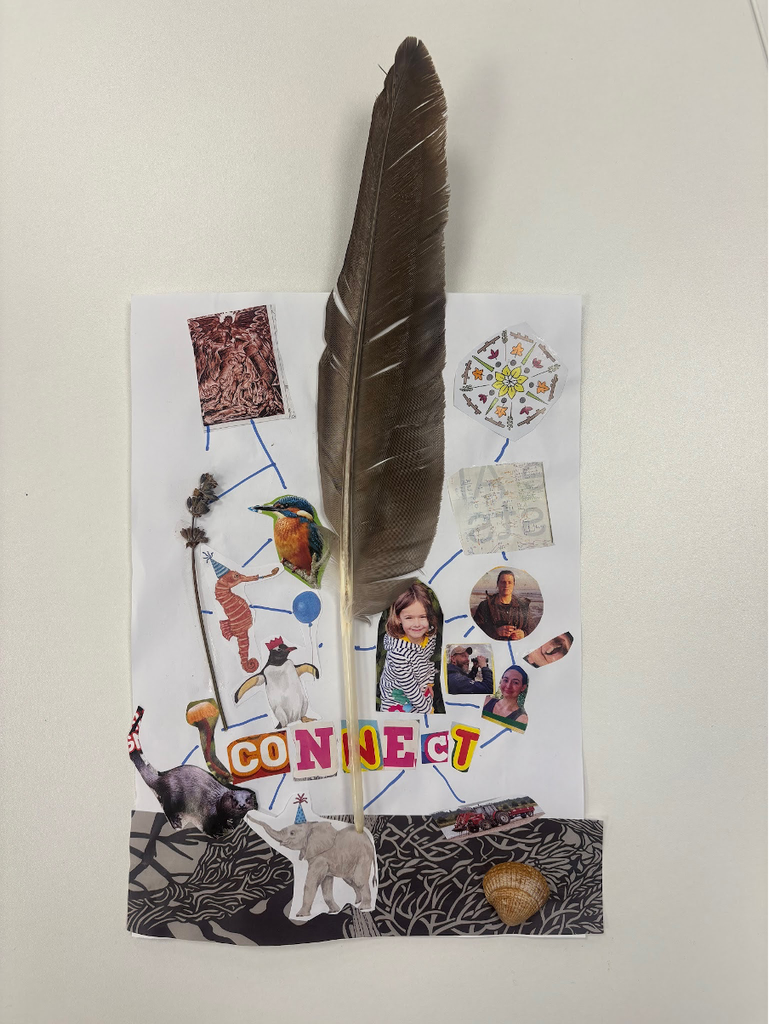
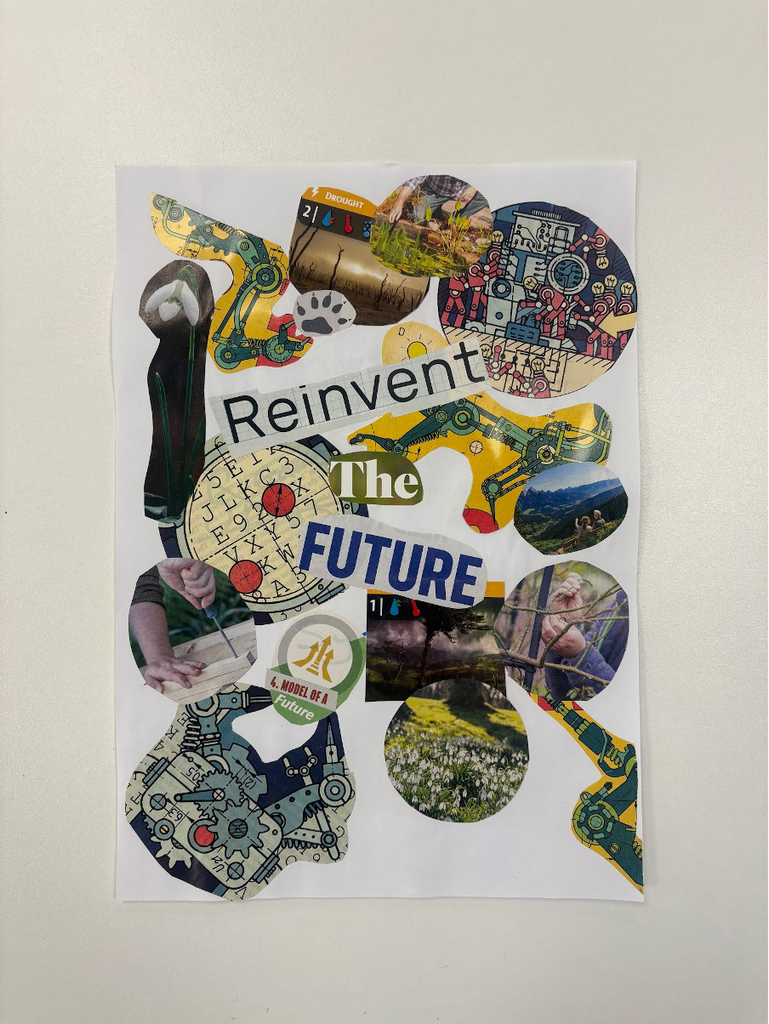
(Chris Skinner: ‘Models colonise the future, Saltelli et al., 2025: As playable systems/models, games can democratise future-making and modelling.’)
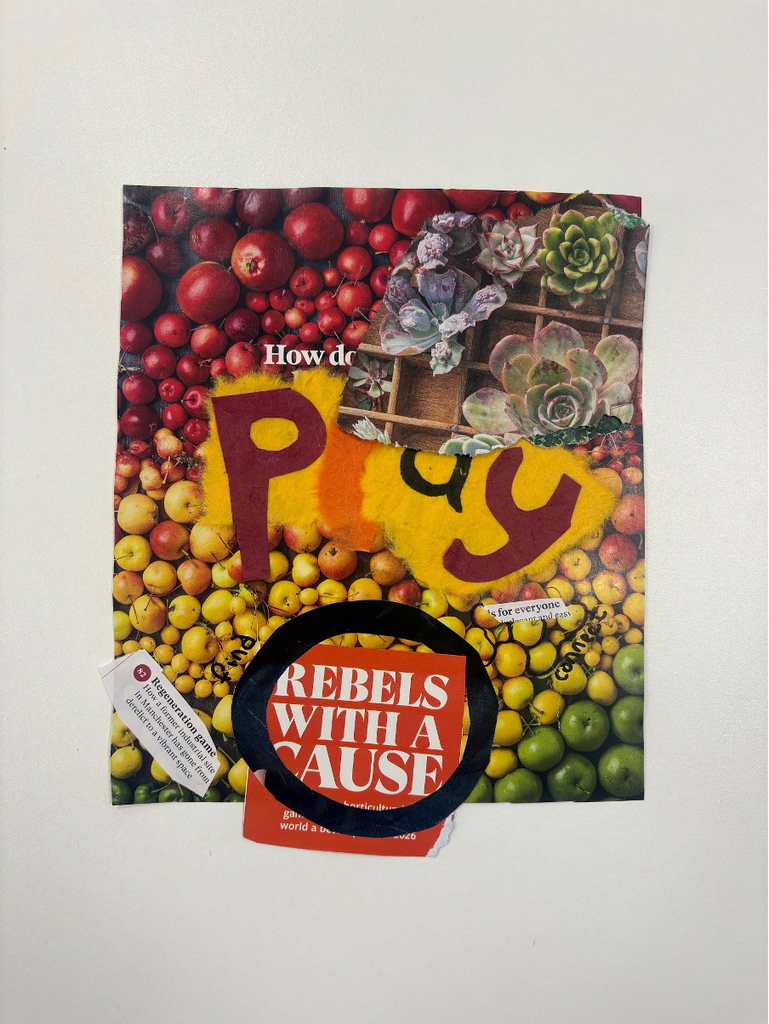
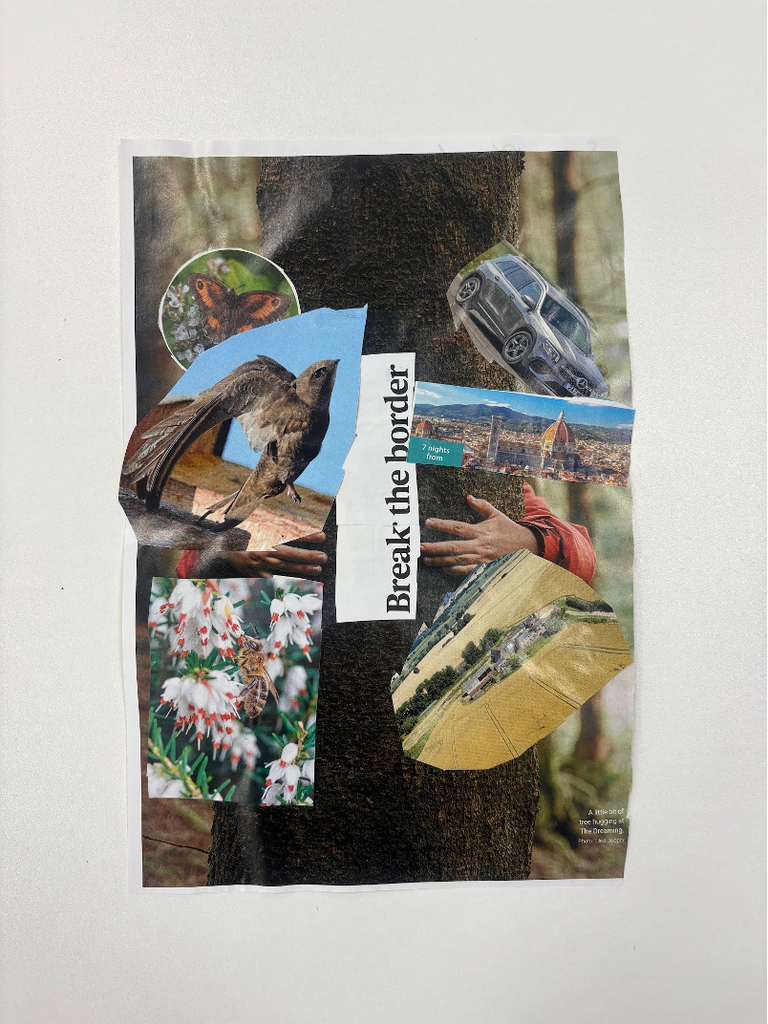
(Sam Bland)
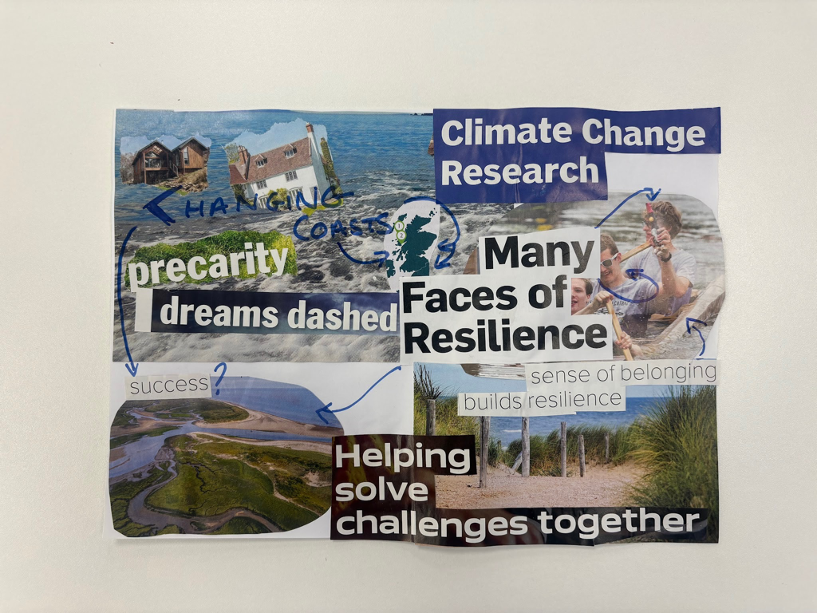
(Steven Forrest)
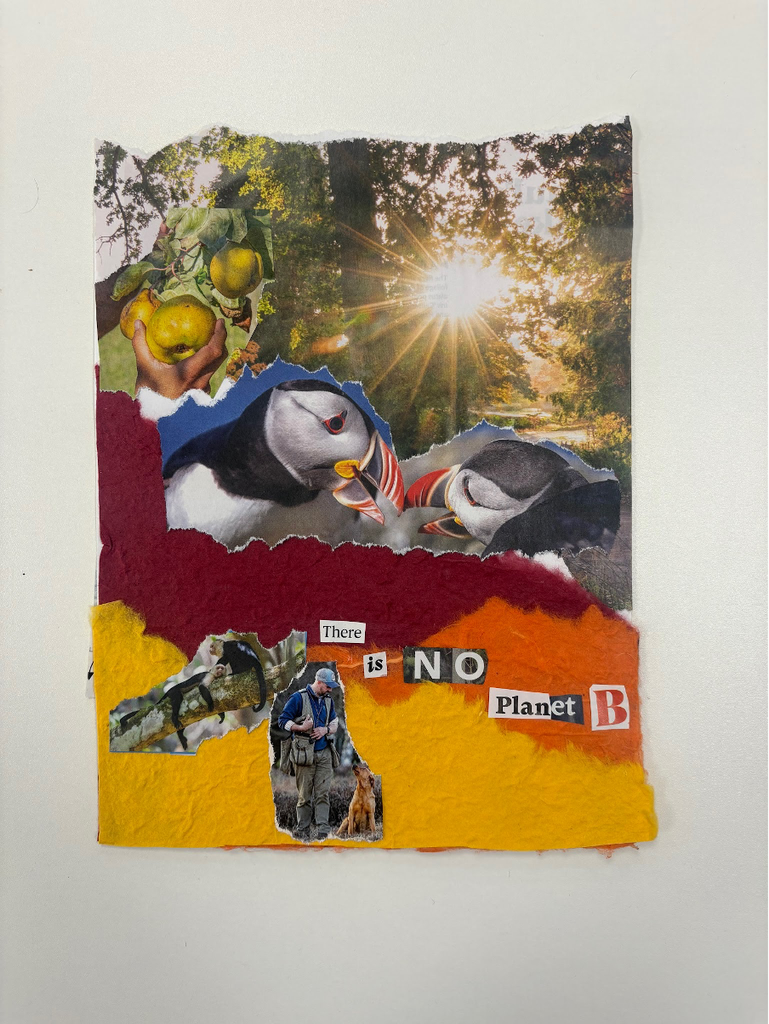
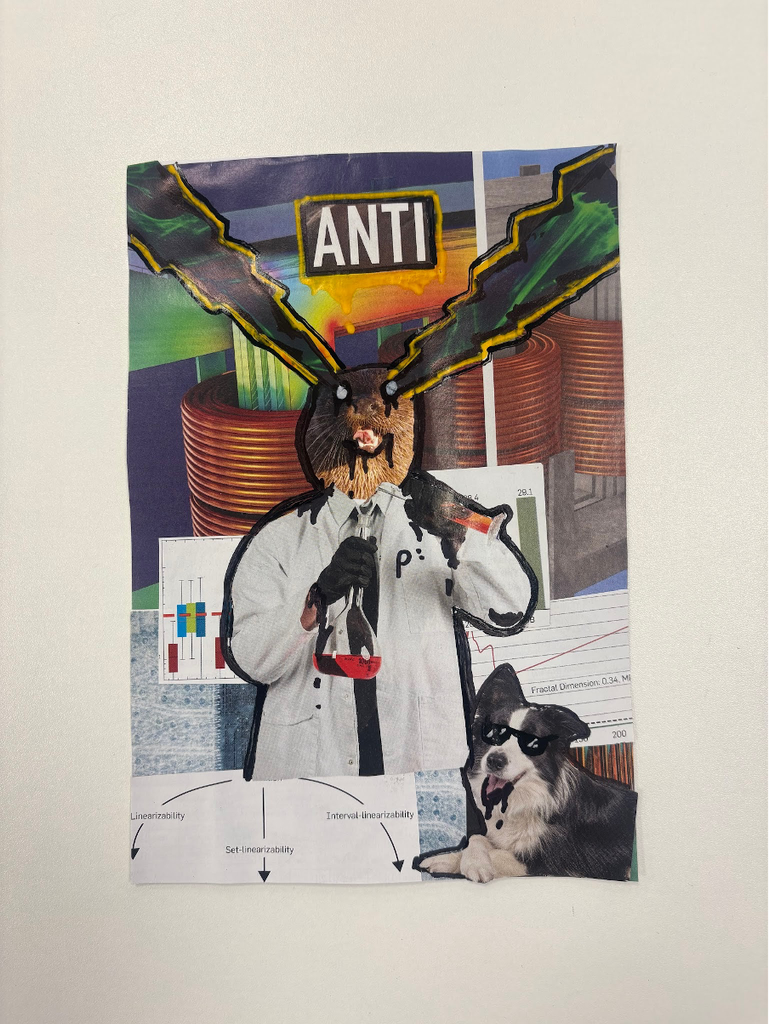
(Ben Kirman)
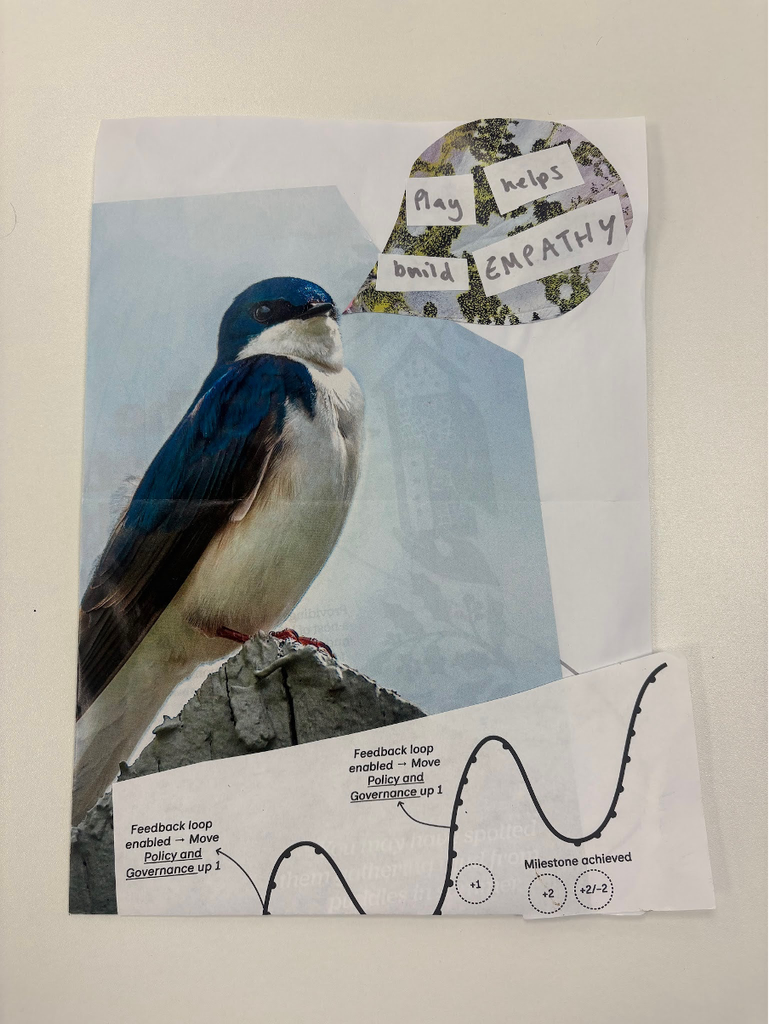
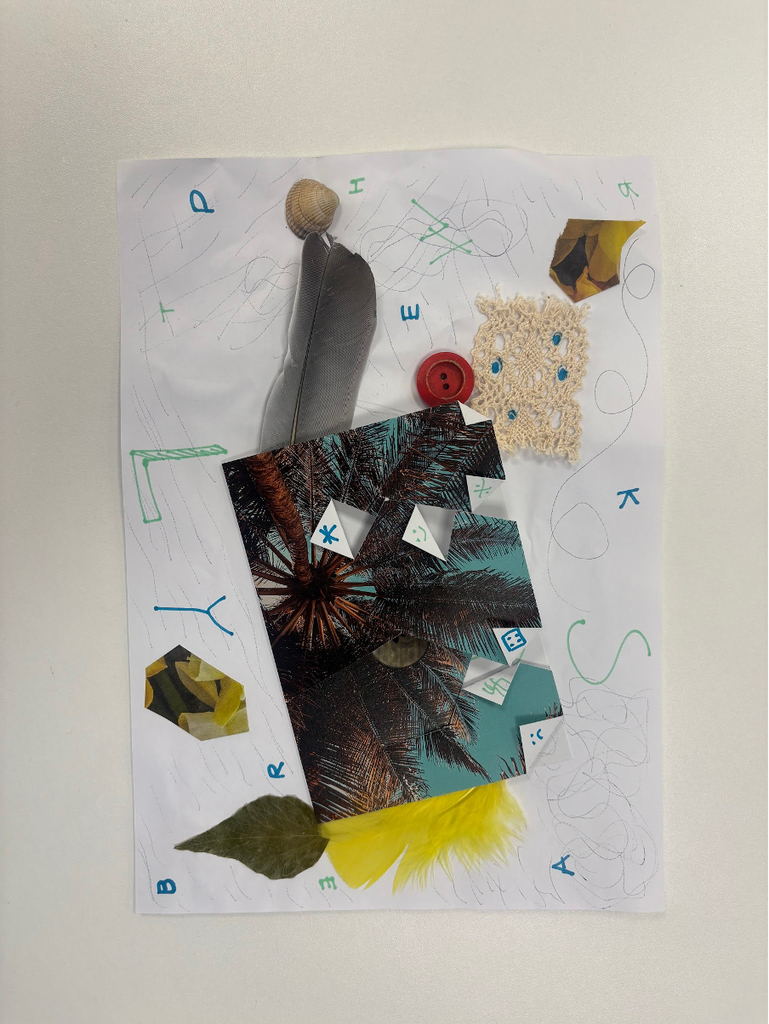
(Shariq Azadi; ‘What will stay with me from this year’s conference’)
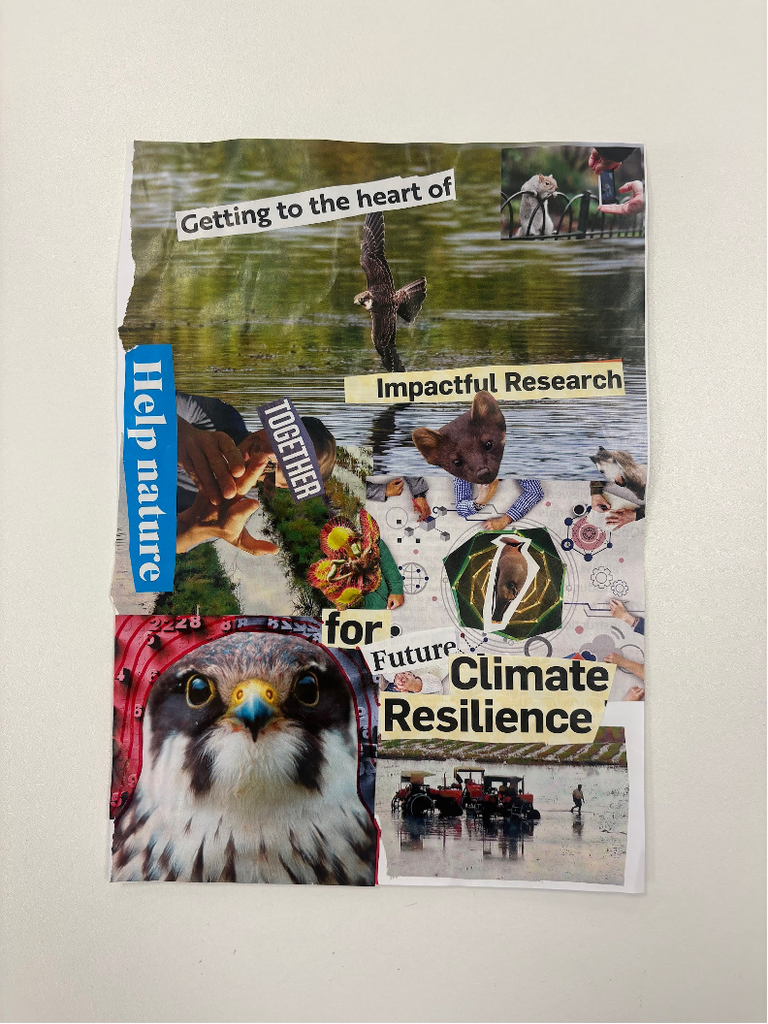
(Paola Sofia Serrano Bravo)
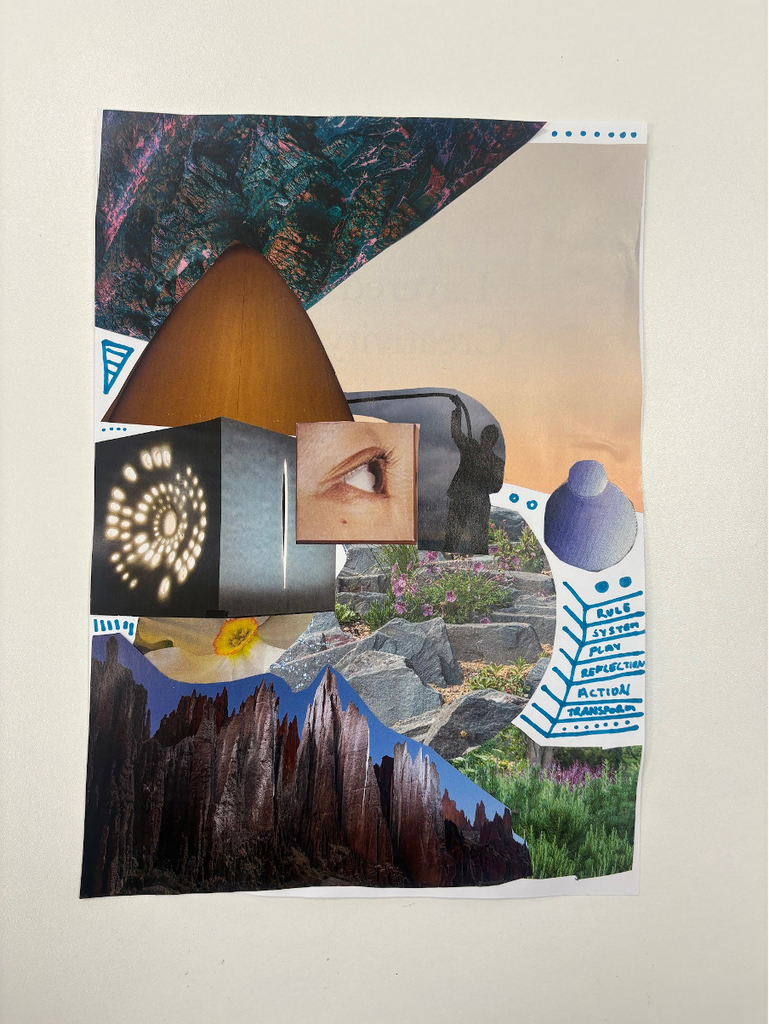
(Doruk)
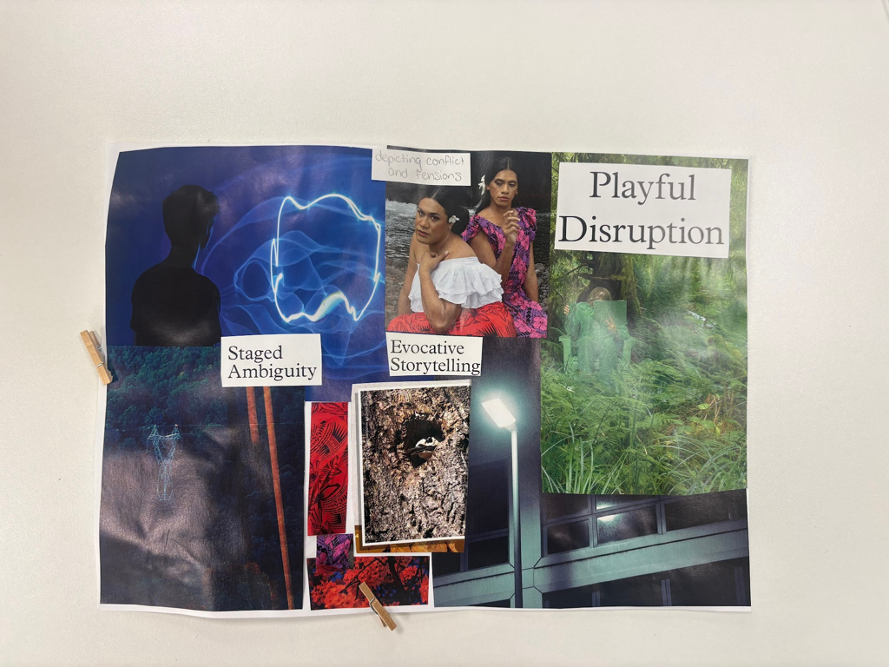
(Rachel Swym)
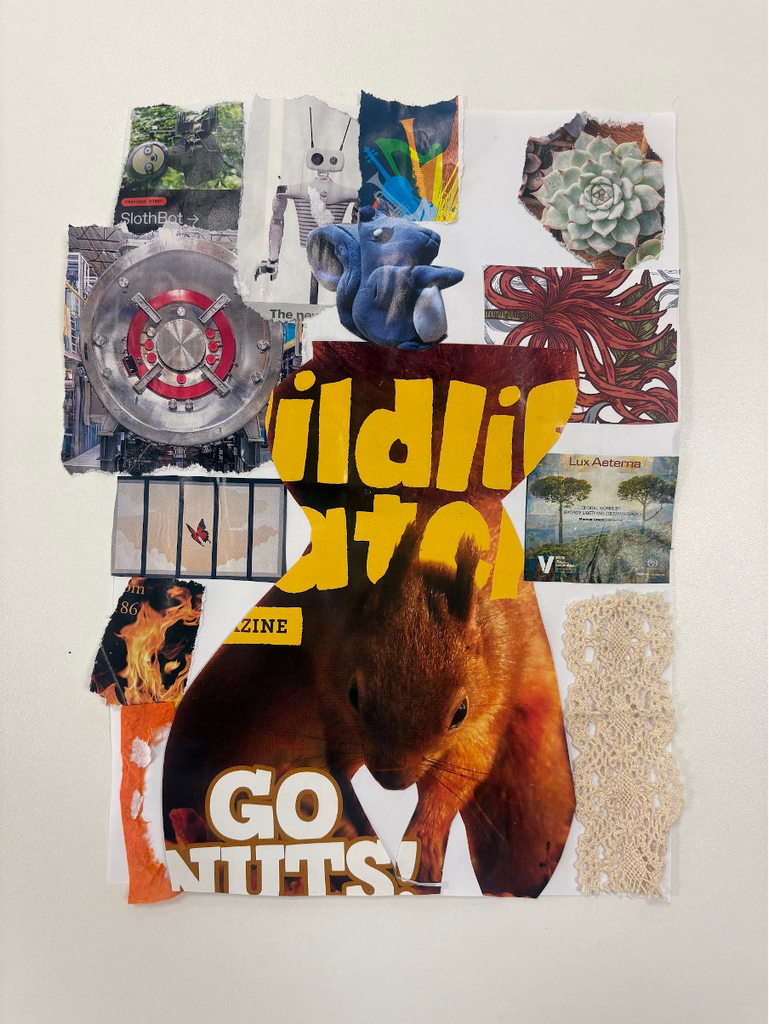
20 / October / 2026
By: Tosana Maria Töben
22 / July / 2026
By: Mi Mi (Myanmar farmer); JC (independent illustrator); Hilary Faxon (University of Montana), Zin Mar Pyo (Chiang Mai University) & Jenny Hedström (Swedish Defense University)
22 / July / 2026
By: Gerónimo Barrera de la Torre y Carlo Nasisse
22 / July / 2026
By: Adrienne Johnson, Murphy Boksanski, Nicolette Mehdizadeh, Carly Mitchell, Katherine Mottola, Lawrence Philip Tablada Tacto, Isabella Well
22 / July / 2026
By: Emma Johansson