
November / 16 / 2026
By: Aldrin T. Magaya and Mathew Ruguwa
The profound adverse effects of environmental degradation and climate change on rural economies and societies are now a reality in most parts of Africa. However, local perspectives are largely underexplored in Anthropocene discourses and policy frameworks. Based on oral interviews, this article explores the Zimunya community’s explanations and understanding of climate change and the recurrent occurrence of droughts. It further examines the gaps in Western scientific and Indigenous explanations of global warming. It leverages the community’s understanding of drought and dry spell causes to highlight the importance of adapting local perspectives and implementing place-based climate governance to combat global warming in the Anthropocene epoch.
climate change, Zimunya, rural societies, Indigenous knowledge.
Although Africa contributes the lowest greenhouse gas emissions of any continent worldwide, the devastating effects of the Anthropocene phenomenon continue to be disproportionately felt by communities on the continent. The negative climatic impacts of anthropogenic activities by developed countries are hitting hard at Africa’s poor rural agricultural communities (Leal Filho et al., 2021; IPCC, 2022). The effects of climate change on communities already living under environmentally challenging conditions have further deteriorated standards of living, especially among African rural agricultural societies (IPCC, 2022; Shaffril et al., 2020; Schramm, 2020). This has led to the loss of lives and biodiversity, water shortages, reduced yields, stunted economic growth, damage to the limited available infrastructure, and a rise in heat-induced diseases. These negative impacts are exacerbated by the fact that the agricultural sector is one of the most significant economic sectors in sub-Saharan Africa, employing about 65%-70% of the workforce (Mukasa et al., 2017). In addition, Christopher Trinos et al. (2022) estimated that more than 90% of cropland in rural Africa depends on rainfall.
Although climate change adversely impacts agricultural communities in the Global South, climate science communication remains heavily top-down. Consequently, global policy reports favor technical, scientific language (Morchain, 2018; Barnett & Campbell, 2010; Dudman & de Wit, 2021; IPCC, 2022) that often feels unfamiliar and meaningless to rural farmers in Africa and the low- to middle-income regions. Hence, the tendency to use the knowledge deficit model, which assumes that the more facts and information shared, the higher the chances for ordinary farmers to understand. The model is unidirectional, thereby precluding consideration of alternative forms of knowledge (Dudman & de Wit, 2021). However, listening to local ways of knowing about climate change can help climate science communicate with a more human voice (Dudman & de Wit, 2021). Moreover, such approaches often overlook the politics of knowledge—about who has power and access to discourses that shape people’s lives. In this article, we argue that centering ordinary farmers’ perspectives on what climate change means to them and how they adapt offers important avenues for integrating local knowledge into scientific and policy frameworks.
In Zimbabwe and Africa more broadly, climate action frameworks are primarily informed by scientific knowledge that is produced in the Global North, which largely excludes Indigenous Knowledge Systems (IKS).[1] For instance, Zimbabwe’s National Climate Change response was developed using resolutions and language adopted from the United Nations Framework Convention on Climate Change (UNFCCC) and the 2009 Kyoto Protocol (ibid). This crucial policy document does not offer tangible strategies to adopt IKS as part of national climate strategies. It embraced scientific language and terminology that aims at the adoption of ‘efficient cleaner technologies and energies’ to reduce greenhouse gas emissions (ibid). However, as many other scholars have already shown for other parts of the world, few ordinary rural dwellers in Zimbabwe will profit from these techno-fixes, or can explain, let alone know, the meaning of greenhouse gas emissions, carbon sequestration, and the science behind short-lived climate pollutants like methane (Ballanger, 2024; Kumar, 2024; Lohmann, 2024; Sultana, 2022; Nyambura, 2014; De la Hoz et al., 2024).
While the last IPCC report (IPCC, 2022) mentions the importance and value of Indigenous knowledge, it remains marginal and poorly understood. Furthermore, global scientific and national environmental governance to mitigate climate change has largely excluded ordinary peasants, their socio-environmental understanding of nature, and Indigenous knowledge. In Zimbabwe, colonial history and structures are still heavily embedded in the social fabric of environmentalism and thus continue to hinder the promotion of sustainable development. Environmental agencies sometimes persist in perpetuating colonial rhetoric, claiming that Indigenous knowledge is based on superstition rather than science. In Zimunya, the case study area, this marginalization of IKS has led to the fencing off of wetlands and the privatization of communally shared lands, denying the local villagers and their livestock access to their most vital resources during the dry season.[2] Thus, although peasant ideas and voices are excluded from climate change discourse and policy, they are still expected to implement technical solutions that often strip them of land and resource rights. Omukuti rightly characterized this as a form of double injustice, where peasants unfairly carry the double burden of costs for both adaptation and implementing environmental policies, even though they contribute the least to global carbon emissions (Omukuti, 2021). The adoption of misaligned environmental policies, language, and terminology by national environmental agencies has not only rendered climate actions meaningless to the audience they target the most, but it has also proven harmful for rural peasants.
In this article, we argue that effective climate action requires incorporating the lived experiences of rural communities and Indigenous knowledge of climate change into scientific and policymaking discourse. This article builds on the work of climate change reception studies scholars who have aptly urged collaboration between scientists, social scientists, and humanities scholars (SSH) in developing methods for communities to adapt to climate change and its effects (Merchant, 2020; Callison, 2014; de Wit & Haines, 2021; Hulme, 2014). Indeed, climate science can benefit from the insights generated by SSH scholars and Indigenous alternative ways of knowing (de Wit & Haines, 2021). As de Wit and Haines (2021) state, we can still uphold the integrity of scientific knowledge in explaining climate change while “opening up knowledge spaces for multi-directional and democratic approaches to living (with) climate change.” For many local communities, atmospheric changes are a lived human experience rather than a scientific one (de Wit & Haines, 2021). Hence, communities possess a specific language that is rooted in their own cultural and moral prior commitments to explain climate change and local ways of observing, knowing, and making sense of it.
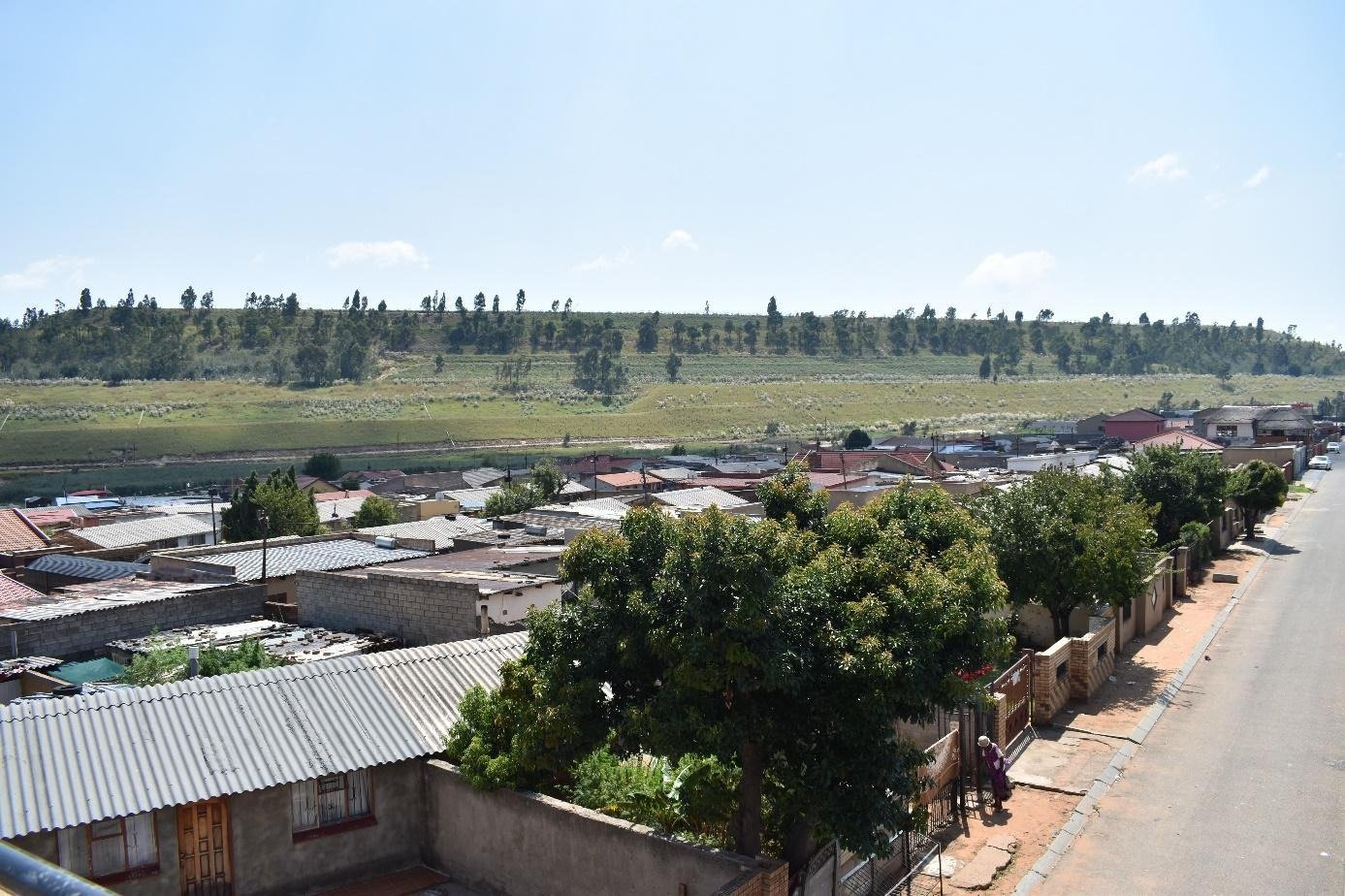
Drawing on three months of oral interviews with local farmers, young and older, and Indigenous leaders, we analyze how communities in the Zimunya communal area of the central-eastern highlands of Zimbabwe explain climate change. The case study area takes its name from the Indigenous ruling house of Zimunya and lies within the Mutare district of Manicaland province. The Zimunya people, also known as Jindwi (another name for the area), are a Shona-speaking community engaged in agriculture and pastoralism. Households in Zimunya depend on rain-fed agriculture, cultivating crops such as maize, potatoes, beans, and a variety of other vegetables. Each family typically owns between five and twenty cattle. We explore how the Zimunya community explains their Indigenous understanding of the increasing frequency of droughts, dry spells, and heat waves. We give insight into their beliefs about the human-spiritual connection with nature and their assertion that ancestral spirits cause droughts as a punishment for human transgressions. We highlight how local communities in Zimunya experience and interpret droughts within specific socio-cultural and religious contexts.
Additionally, we emphasize the diverse meanings and values that the Zimunya community attributes to water and the customs governing its use, access, management, and ownership. The community views water as the lifeblood of both the physical and spiritual realms and as a source of human and metaphysical production and reproduction. Through this lens, they believe that humans should consistently share water with other life forms, including animals, vegetation, and spirits, instead of using scientific language and the jargon of greenhouse gas emissions and industrial pollution. The agricultural-based Zimunya community interprets droughts as spiritual reprisals from their ancestors. They draw upon place-based Indigenous knowledge, which is adaptive, fluid, and passed down through generations, to articulate their relationship with nature.
While the Zimunya communities are aware of climate change and its impact on livelihoods, particularly agriculture, several elders offer different ways of explaining the causes of human-induced climate change. The sociocultural explanations provided by the local villagers are a fascinating parallel to scientific explanations. For instance, both scientific and socio-cultural explanations of climatic disasters advocate for changes in human behavior and human-nature relationships. Although embedded in different ontological principles, both suggest solutions that support societal change through their relationship with nature. Arun Agrawal’s (1995) study of the divide between scientific and Indigenous knowledge as is often foregrounded in development thinking, has concluded that this dichotomy is artificial. Agrawal rightly observed that Indigenous knowledge is scientific knowledge grounded in local environmental factors and cultural perspectives (Agrawal, 1995). Indeed, as many recent studies have noted, scientific and Indigenous knowledge can be integrated within academic frameworks rather than conflict with them (Agrawal, 1995; Merchant, 2020; Callison, 2014; de Wit & Haines, 2021; Hulme, 2014).
Thus, while some environmentalists and scientists offer global solutions to reduce greenhouse gas emissions, rural peasants provide localized solutions considering their existing socio-cultural beliefs and economic activities. The local communities, for instance, stress the importance of observing Indigenous knowledge systems, such as refraining from spiritually polluting nature by not cutting down sacred trees, damming sacred pools, avoiding farming, and privatizing communally shared wetlands. The notion of the community living harmoniously with nature is central to local knowledge systems. Consequently, the focus on the role of the community and the emphasis on shared responsibilities in caring for nature, which underpin local knowledge and technology, promote sustainable resource use (Agrawal, 1995). Therefore, understanding how different communities explain climate change offers a comprehensive lens for adopting place-based climate governance that is understandable and meaningful to the affected people.
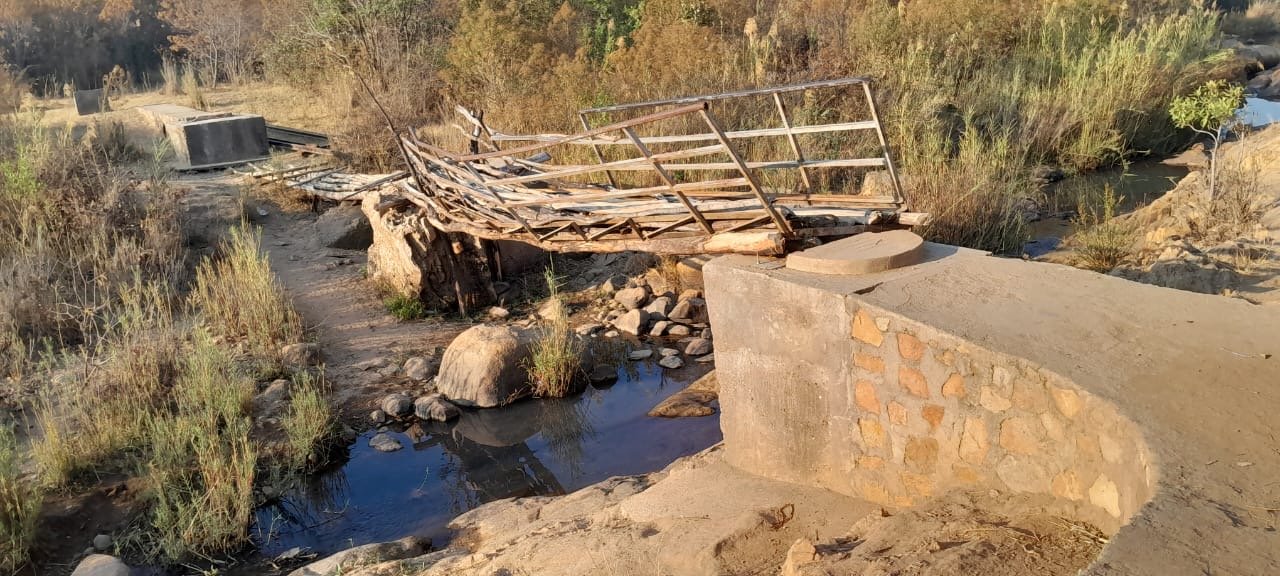
According to the 2023 Situation Report by the International Federation of Red Cross and Red Crescent Societies, there is an increased frequency of meteorological and agricultural droughts in Zimbabwe (IFRC, 2023). [3] Many farmers in Zimunya are concerned about climate change, particularly changes in rainfall patterns, as almost everyone in the community relies primarily on rainfed agriculture. Inadequate rainfall has caused water shortages for crop production, domestic use, and livestock, while the fencing of wetlands and cultivation along river and stream banks have reduced pasturelands and added additional stress on livestock. Families in Zimunya recounted how droughts and prolonged dry spells have led to hunger, livestock disease outbreaks, and reduced stock. For many in Zimunya, climate change is therefore synonymous with the droughts and dry spells that have bedeviled the region. To them, drought and hunger are Siamese twins. Several individuals referred to drought periods as “years of hunger”, recalling, for instance, the 1992 drought, one of the worst droughts in Zimbabwean history, the 1992 drought, as “the year of extreme hunger.”[4]
Villagers in Zimunya agree that periods of hunger have become more frequent over the past forty years, although they do not attribute them to climate change alone. They also interpret hunger through a local political economy perspective, explaining it in moral idioms (de Waal, 2005). Many point to over-settlement and over-cultivation, which have driven deforestation, encroachment of sacred spaces, and cultivation around water sources, including sacred pools. Cultivation along riverbanks has caused significant siltation and the drying up of once-perennial rivers, while the cutting down of trees, including sacred ones, has exposed fragile soils to changing weather patterns and erosion of the fertile topsoil. Many in Zimunya believe that felling trees and farming near riverbanks, especially around sacred pools, have damaged the land and angered the ancestors. In this view, low yields and unpredictable rain are consequences or punishments of these actions. Such explanations point to ecological degradation as one of the causes of hunger, but villagers express their concerns through a moral language centered on harm to the land. This language, nevertheless, conveys ecological knowledge that environmental scientists would recognize (de Waal, 2005).
Many Zimunya senior members do not describe the ‘years of hunger’ using technical, ecological, and scientific language of global warming. Instead, they draw on understandings of the climate crisis that are closely tied to local societal changes (Rudiak-Gould, 2013; Douglas, 1982). Residents, particularly older people, Indigenous leaders, healers, and spirit mediums, link climate change to the reaction of ancestral spirits, who serve as mediators of morality.[5] They, however, do not blame the spirits but the humans who invite the wrath of the spirits by desecrating nature and the norms set by the ancestors. Government agencies and NGOs working in Zimunya, by contrast, have advanced the scientific language and terminology adopted from global institutions such as UNFCCC to explain the greenhouse effect.[6] Local beliefs about the relationship between society and nature shape how climate change is perceived and understood by ordinary farmers (McNeeley & Lazrus, 2014). Atmospheric changes are understood in relation to social practices, cultural norms and beliefs; in other words, the moral geography of the community (McNeeley & Lazrus, 2014; Douglas & Wildavsky, 1982; Rayner, 1991)
The Zimunya villagers considered extreme weather events, such as violent storms, drought, cyclones, strong winds, heat waves, and floods, to be signs used by the spirits to indicate their distress and disapproval of societal developments.[7] Using moral idioms to interpret weather patterns served social functions. It helped to keep the community united and prevent moral transgressions that could harm the land, the people, the ancestors, and the unborn. It reminded individuals of their duty to care for one another, especially during times of adversity. If individuals transgressed these moral codes, the community had to come together and make sacrifices to restore cosmological harmony. Like many Southern African communities, the Zimunya villagers and other Shona people in Zimbabwe believe some ancestral and water spirits can control water, such as rain, groundwater, or running water in rivers, wetlands, and springs (Benard, 2013). They considered sacred water sources, such as pools and springs, to symbolize the boundary between the living and the metaphysical – spirits resided in the dry land beyond the water, and humans lived on the dry land outside the water sources. These spirits on the dry land could give, withhold, and take away the water. Therefore, it is common in Zimbabwe and Southern Africa for individuals with healing powers to claim they obtained it from water spirits or ancestors living under the water (Magaya, 2018; Chavhunduka, 1994; Reynolds, 1996; Bernard, 2013). These healers claim that they were taken and submerged by water spirits for days or even months to learn the art of healing. Their submersion in water symbolizes the crossing of the boundary between the living and the spiritual universe (Chavhunduka, 1994; Gelfand, 1959; Reynolds, 1996).
Water, therefore, symbolizes spiritual knowledge, wisdom, healing, and signifies new beginnings – the birth and growth of plants and life. Similarly, in Christian rituals, baptism by water means ‘being born again’. Interestingly, Indigenous-led churches encourage total submersion into the water as proper baptism – a discussion, however, that lies beyond this article. Among these Christians, total submersion cleanses the physical and spiritual being (Magaya, 2018). One cannot ignore the striking similarities in Indigenous and Christian conceptions of the power of water as a source of all existence, life, and spiritual regeneration. As the article illuminates, elders in Zimunya explain the excellent rainy seasons and the years they had overflowing rivers and pools as periods when ancestors were happy and readily protected crops and livestock from vermin and diseases. Therefore, hunger, erratic rains, and diseases reminded the living of their connection to the non-living. One way of appeasing the ancestors and water spirits was to conduct a rainmaking ceremony (makasva).
Makasva was an annual rainmaking ceremony held by the chief and the subchiefs before each agricultural season (Pwiti, Nhamo, Katsamudanga, & Segobye, 2007, p. 105-109). Observance of this ceremony was “a way of mollifying and appealing to the ancestors’ benevolence, by ensuring enough rains and crop protection from vermin to guarantee a good farming season” (Magaya, 2022, p. 13). This annual tradition is not exclusive to Zimbabwe, but it has a longstanding history in various African societies (Gumo, 2017; Fontein, 2016; Takuva, 2021; Akong’a, 1987; Bhebhe, 1979). These ceremonies have often been misunderstood from a Western perspective. The ceremony served multiple social purposes beyond honoring ancestors and reminding the living of their connections with the dead. It also promoted community unity by strengthening family ties and maintaining social stability through collective rituals that reinforced social bonds and upheld social cohesion in times of duress.
Several elders in Zimunya pointed out that leaders had been improperly conducting rainmaking ceremonies for the past two or three decades. They blamed themselves for not holding onto their culture and values strongly enough to influence or guide external influences, a phenomenon Rudiak-Gould (2013) termed ‘in-group blame.’ The ‘in-group blame’ for the erosion of Indigenous norms and values, intertwined with the rise of Christianity and other global forces, is shared across various African societies. For example, de Wit (2020) notes how the Maasai explained climate change through moral defects arising from global changes. She highlights how ”a group of elder women unequivocally deplored the erosion of enkanyit and enyorotto – the disappearance of respect and love – from society” to explain the lack of rainfall (de Wit 2020, p. 180). Similarly, in Zimunya, a common sentiment expressed by many senior residents, aptly captured by Muguyo, was that many Indigenous leaders were now Christians, young, and knew very little about the taboos and customs surrounding the land and rainmaking ceremonies in the area. When the elders spoke of leaders who knew little about or ignored local taboos, they also emphasized how Indigenous methods of environmental conservation were being neglected by their leaders, who were now allocating lands to newcomers and other villagers near sacred pools and forests. It led to the cutting down of trees, including sacred trees, and increased siltation of pools and dams. By disregarding the land’s taboos, Indigenous leaders and some peasants also ignored Indigenous ways of managing their environment. Like many other communities in Africa, the Zimunya peasants conserved their environment by establishing taboos (Nkwi, 2017).
Whether imagined or real, the fear of the anger of the ancestors shaped human-nature relationships. This fear, for example, was managed through customary taboos and ideas about transgression—regulating which trees could be cut, when, how, and by whom. It helped preserve the forests and guide farming practices. These belief systems and practices are also common in other African cultures. Research by Abugiche et al. (2017) in Mount Cameroon National Park shows that traditional taboos effectively aid wildlife conservation. Their findings highlight the utility of cultural practices in conserving wildlife and suggest that including taboos and cultural norms in conservation efforts encourages communities to protect natural resources (see also Alvarez, this issue). Schachenmann (2006) pointed out that following traditional laws and taboos is crucial for maintaining biodiversity in Madagascar. Similar instances are documented in Ghana (Barre 2008) and Nigeria, where clans protect their natural resources through taboos (Banjo et al., 2006; Anoliefo, 2015).
In Zimunya, several senior community members observed that the environmental conservation policies imposed by the chiefs conflicted with the area’s traditions, which in turn angered the ancestral spirits. They blamed the droughts on the leaders who ignored the cultural and customary rules of Zimunya. They cited several examples where chiefs were bent on adopting development projects such as damming flowing water in rivers, fencing springs and wetlands, and allowing villagers to draw water from pools using diesel-powered engines. Elders argued that the order and agreement to fence off some sacred wetlands went against the ethos of the ancestral spirits of Zimunya. They claimed that fencing off the wetlands denied ancestral spirits and animals – that embody different spirits– access to the water in the wetlands. They criticized and blamed the droughts on chiefs who unilaterally adopted state-designed policies, imposing them on the people without consulting the villagers, many of whom possessed knowledge of the customs of the Zimunya lands.
Fencing wetlands may seem like a noble idea from a Western conservation point of view, which Dan Brockington has characterized as a form of “fortress conservation” (Brockington, 2002). In Zimunya, however, most of these areas are considered sacred because they are the source of many rivers.[8] According to an Environmental Management Agency (EMA) planning officer, the agency has fenced off wetlands to enable communities to develop nutritional gardens.[9] The senior residents of Zimunya condemned such projects by EMA and private donors. One of the criticisms was that EMA sought approval from chiefs and not spirit mediums. They argued that EMA was bestowing new powers on the chiefs, making them believe that the water and land in Zimunya belonged to them. Several informants concurred that the Indigenous leaders had no right to allow EMA and private donors to fence off wetlands without conducting the proper ritual ceremonies with the blessings of the spirit mediums. Villagers argued that the leaders’ disregard for the laws of the land encouraged the younger generation to defy the mores that help balance the human-nature relationship. Therefore, the language of conservation and development projects used by both EMA and private donors and communicated through local leaders was sometimes experienced as a violation and belittling of Indigenous mores. The state-sanctioned conservation projects are one big land grab, where land is taken away from Indigenous people (Sultana, 2022). For instance, the imposition of conservation methods by EMA, such as the fencing of the wetlands in Zimunya, closed off green pastures for local farmers’ livestock.
Another incident that caught the attention of many in Zimunya was the Nhurike incident, which occurred in 2019. Nhurike is a mountain considered sacred by the villagers in Zimunya. It contains the graves of some of the land’s founding fathers. The beer brewed for the annual rainmaking ceremony (makasva) was poured as a libation near a pool at the top of Nhurike Mountain. The pool is called tsime nhurike(the well of nhurike-direct translation). According to a local legend, the Tsimi Nhurike pool has always had water. The pool is also the headwater of a perennial stream, Nyadziye. The local communities believed the pool never dried up because it was home to the water spirits and a drinking hole for the territorial ancestral spirit, mhondoro. According to Shona traditions, ancestral spirits can manifest as plants or animals, especially the rare white lion. Thus, tsime nhurike, the pool, was considered the drinking place for the mhondoro, the lions embodying the territorial spirits of Zimunya. Therefore, tsime Nhurike was one of the significant sacred sites in the area. Villagers were not allowed to cut down trees around the pool. They were also not supposed to kill or harm animals living near the pool, especially snakes.
In defiance of local custom, one enterprising young farmer, Muti, set up an irrigation pump station at tsime Nhurike.[10] The station was set up by clearing trees and other vegetation and digging down irrigation pipes. He fenced off the area to avoid damage to the pipes, using the poles from trees he cut down around the pool. The villagers considered the activity of the enterprising farmer a shocking occurrence that defiled the sacred pool and invited the wrath of the ancestors. They condemned the act as a privatization of a shared resource. By fencing off the pool and drawing water from it, Muti directly denied water access to animals, the local community who lived near tsime nhurike and those downstream. The local community in Zimunya considered water sources to be communal property that were to be shared and accessed by all humans and animals (Magaya & Ruguwa, 2024).
Interestingly, the father of Muti, who had previously passionately spoken of the need to safeguard the customs of Zimunya, defended his son’s actions. He argued that nothing terrible or mysterious had befallen his son after erecting the irrigation station. According to sekuru Muti, since nothing happened, this indicated that the area was not sacred. He accused the villagers who called for removing the irrigation pipes and the fence of being jealous. However, the community members believed that since Muti had defiled a sacred place, the wrath of the ancestors was shared by the whole community, not just the individual transgressor. They blamed the dry spells and a cyclone that destroyed crops on the defiling of tsime nhurike. The matter was, however, settled at Chief Zimunya’s court, where Muti was asked to remove his pipes.
The Nhurike incident caught the attention of many elders, who have used it to illustrate how the desecration of sacred sites has led to droughts. Although the matter was resolved, many senior members were unhappy with how the chief handled this significant transgression. The chief asked Muti to pay a fine in monetary form. However, several informants chastised the chief for accepting the fine instead of giving it to the spirit medium, who would then communicate with the ancestors pleading for forgiveness. According to the nonagenarian, mbuya Ruguwa, paying money for desecrating a sacred area did not amount to cleansing the area (kuchenura nzvimbo). For her, the chief was supposed to consult a spirit medium to appease the angered ancestors. In consultation with the ancestors, the spirit medium would communicate the way forward. She explained:
What happened at tsime nhurike was unheard of (mashura). The case needs to be properly concluded. Tsime nhurike has not been correctly cleansed. They were supposed to do it the old way, following our traditions to appease the avenging spirits of the ancestors. You appease the ancestors by bringing a cow, a sheep, and finger millet (njera). These items would be used to conduct a cleansing ceremony. That is different from what we saw happening. It won’t stop others from doing the same, like cutting down trees, putting pipes in sacred pools, and cultivating near sacred pools and wetlands. [11]
The Nhurike incident illustrates how several villagers in Zimunya blame climatic variability on human activities. Interestingly, some village heads concurred with the villagers. They explain climate change using the human-nature spiritual relationship by arguing that the desecration of sacred dams, pools, and wetlands and nonparticipation in the annual rainmaking ceremony anger the spirits, resulting in heat waves, strong winds, dry spells, and droughts.[12] Like many elderly people, some traditional leaders were of the idea that cultivating wetlands, stream banks, randomly cutting down trees, and using artificial fertilizers disturbs the environment, resulting in less rainfall.[13] As sub-chief Takesure Munyoro said: “We have told people not to practice stream bank cultivation and also to desist from cutting down trees, but they continue doing so. “[14] Cultivating wetlands and randomly cutting down trees is believed to upset the spirits who have the power to influence the climate.
While villagers see deforestation, riverbank cultivation leading to heavy siltation, and wetland overuse as causes of climate change, they do not explain these in terms of global warming or greenhouse gases but in spiritual terms. They use familiar language and ideas that make sense to them to explain climate change. Discussing climate factors in terms of gases released by industries would not resonate with farmers whose livelihoods depend on subsistence farming. Indeed, maintaining the natural ecosystem and preserving forests are central to Zimunya’s socio-spiritual relationship with nature. While some residents may know little about scientific concepts like afforestation and carbon sinks, Indigenous knowledge passed down through generations has taught them that trees are vital to maintaining a nourishing local ecosystem, which ensures the health and well-being of the land and the community. Therefore, environmental conservation in Zimunya is a social science rooted in spiritual customs and values. These local practices, embedded in social bonds of care, morality, and respect for non-human life, should inform policymakers and Western conservation efforts that are based on very different worldviews. In other words, climate change knowledge should not only be translated from global centers but also flow in the other direction (De la Hoz et al., 2024; Kumar, 2024; Bellanger, 2024).
Drawing on the broad literature on environmental conservation, reception studies, Indigenous knowledge, and climate change, this article uses the case of Zimunya to examine subsistence farmers’ perspectives on the causes of recurrent droughts and dry spells. The farmers in the Zimunya community, especially the older generation, do not explain droughts and dry spells using the scientific language of greenhouse gas emissions and industrial pollution, but rather the human-spiritual relationship with nature. Instead of discussing abstract biophysical realities as captured in global climate models. They attributed recurrent droughts and dry spells to human agency and responsibility. Specifically, villagers pointed to incompetent local Indigenous leadership neglecting their cultural and customary roles, cutting down trees for settlement and gardening activities, damming rivers, fencing springs and wetlands, and drawing water using diesel engines. They argued these practices angered the ancestors, whom they considered the owners of all the water, including rain, groundwater, and surface water. Therefore, the sentiments expressed by Zimunya residents suggest the significance of incorporating place-based environmental governance rooted in local values and mores. For instance, to curb deforestation, environmental agencies can engage spirit mediums and chiefs to communicate in a language and repertoire of practical ideas that ordinary rural farmers readily understand and find meaningful. To borrow from De Wit (2020, p. 161), the question is not about translating science as the ‘correct’ method to understand and interpret climate change, but how different communities affected by the anthropogenic phenomenon give meaning to and act on it. The local communities’ pushback against top-down techno-managerial fixes imposed by government institutions is not ignorance but resistance against environmental injustices that disrupt their community norms, values, and relationship with nature (Sultana, 2022; De la Hoz et al., 2024; Lohmann, 2024; Kumar, 2024; de Wit, 2020). This article highlights the need for reciprocal knowledge sharing between science and IKS to develop languages and fixes that reflect Indigenous values (Dudman & de Wit, 2021).
While strategic climate change responses are formulated at global and institutional levels, in many low- to medium-income countries, particularly in Africa, it is at the community level where ordinary farmers must implement and adapt these actions. Therefore, for climate change initiatives to resonate with farmers, they must consider local societal norms, values, beliefs, and principles. Indeed, as McNeely and Lazrus (2014) argue, “How people perceive climate change risk is informed by their social interactions and cultural worldview, comprising fundamental beliefs about society and nature” (p. 506). Thus, building on reception studies, the article advocates for scientists to collaborate with social scientists and humanities scholars (SSH) to develop a language on climate change that mirrors local worldviews about society and nature. This can help improve communication and reframe actions and policies to mitigate the effects of climate change. Indeed, science can learn a lot from Indigenous ways of knowing how ordinary peasants perceive human-nature relationships that are fundamental to local and sustainable conservation efforts. This means that taboos and moral codes should not be relegated to the realm of magic or superstition but should instead be recognized as integral to very effective conservation efforts embedded in local ontologies and epistemologies.
When scientific and technical knowledge complements Indigenous ways of knowing, it facilitates a shift from centralized knowledge production to a decentered production of solutions rooted in the lives and experiences of marginalized rural small farmers worldwide (Agrawal, 1995). In addition, closing the perceived gap between scientific and Indigenous knowledge helps to prioritize the diverse ideas and solutions from marginalized communities that bear the brunt of the effects of global warming. Furthermore, it reorders the hierarchy of knowledge production by challenging the misnomer that local ways of knowing are rooted in superstitious, non-scientific beliefs and are inferior stumbling blocks compared to development. Incorporating local knowledge into the discourse on climate change encourages local participation in development programs that use language and ideas that make sense to them. This dismantles the hierarchies of knowledge production that currently favor scientific, centralized, and technically oriented solutions. Indeed, while environmental agencies have called for greater access to environmental information by peasants, there is also a need for these agencies to learn and improve their access to information and solutions from the peasants to promote sustainable development driven from below.
Bibliography
Abugiche, A.S. (2017). The role of traditional taboos and customs as complementary tools in wildlife conservation within Mount Cameroon National Park Buea. International Journal of Natural Resources Ecology and Management, 2(3), 60-68. 10.11648/j.ijnrem.20170203.13
Agrawal, A. (1995). Dismantling the divide between Indigenous and scientific knowledge. Development and Change, 26(3), 413-439. https://doi.org/10.1111/j.1467-7660.1995.tb00560.x
Akong’a, J. (1987). Rainmaking rituals: A comparative study of two Kenyan societies. African Study Monographs, 8(2), 71-85.
Banjo, A. D., Otufale, G.A., Ataban, O.L. and Banjo, E.A. (2006). Taboo as a means of plant and animal conservation in Southwestern Nigeria: A case study of Ogbe River and its basin. World Applied Sciences Journal, 1, 39-43.
Anoliefo, G.O., Nwokeji, P. A. and Ikhajiagbe, B. (2015). Influence of traditional taboo practices on natural resources conservation in Uli, Ihiala local government area of Anambra State, Nigeria: Sustainable community development. Journal of Environmental Sustainability, 4(4), 1-13.
Barnett, T., and Campbell, J. (2010). Climate change and small island states: Power, knowledge and the South Pacific. Earthscan. 10.4324/9781849774895
Barre, R. Y. (2008), The role of taboos in conservation of sacred groves in Ghana’s Tallensi-Nabdam District. Social and Cultural Geography, 10(1), 25-39. 10.1080/14649360802553194
Bellanger, H. (2024). Climate services for food security in Guatemala: An exploration of institutional dynamics in a colonial and neoliberal system. Grassroots – Journal of Political Ecology, 31, 637- 646. https://doi.org/10.2458/jpe.5654
Bernard, P. S. (2013). Living water in Nguni healing traditions, South Africa. Worldviews, 17, 138-149. 10.1163/15685357-01702005
Bhebhe, N. (1979). Christianity and traditional religion in Western Zimbabwe, 1859-1923. Longman.
De la Hoz, N., Silva-Garzón, D., Hernández-Vidal, N., Gutiérrez-Escobar, L., Hasenfratz, M., and Fladvad, B. (2024). Unraveling the colonialities of climate change and action: Introduction to the special section on the colonialities of climate change and action. Grassroots – Journal of Political Ecology, 31, 624-635. 10.2458/jpe.6365
de Waal, A. (2005). Famine that kills: Darfur, Sudan. (Rev. ed). Oxford University Press.
de Wit, S. (2020). What does climate change mean to us, the Maasai? How climate change is translated in Maasailand, Northern Tanzania. In Brüggemann, M. & S. Rodder, (Eds.) Global warming in local discourses: How communities around the world make sense of climate change. (pp. 160-207). Open Book Publishers.
Douglas, M., & A. Wildavsky, (1982). Risk and culture: An essay on the selection of technical and environmental dangers. University of California Press.
Dudman, K., and de Wit, S. (2021). An IPCC that listens: Introducing reciprocity to climate change communication,” Climate Change, 168(2), 1-12. https://doi.org/10.1007/s10584-021-03186-x
Fontein, J. (2016). Rain, uncertainty, and power in Southern Zimbabwe. Critical African Studies, 8(1). https://doi.org/10.1080/21681392.2015.1007262
Gumo, S. (2017). Praying for rain: Indigenous systems of rainmaking in Kenya. The Ecumenical Review, 386-397. https://doi.org/10.1111/erev.12301
International Federation of Red Cross and Red Crescent Societies, (2023). Zimbabwe: Drought early action protocol summary (EAP No: EAP 2023 ZW01/MDRZW 020) Situation Report, 18 February 2023. https://reliefweb.int/report/zimbabwe/zimbabwe-drought-early-action-protocol-summary-eap-no-eap2023zw01-mdrzw020
Kumar, V. (2024). Indigenous onto-epistemology and the Niyamgiri Movement in India. Grassroots – Journal of Political Ecology, 31, 718-732.https://doi.org/10.2458/jpe.5714
Leal Filho, L. W., Matandirotya, N.R., Lütz, J.M., Abate Alemu, E., Brearly, F.Q., Ago Baido, A., Kateka, A., Ogendi, G.M., Adane, G.B., Emiru, N. and Achia Mbih, R. (2021). Impacts of climate change to African indigenous communities and examples of adaptation responses. Nature Communications, 12, (6224). https://doi.org/10.1038/s41467-021-26540-0
Lohmann, L. (2024). Provincializing energy transitions. Grassroots – Journal of Political Ecology, 31, 667-677. https://doi.org/10.2458/jpe.5602
Magaya, A. T. (2018). Christianity, culture, and the African experiences in Bocha, Zimbabwe, c.1905-1960s. Unpublished Ph.D. Thesis, University of Iowa.
Magaya, A.T. (2021). “Change within continuity”: Sacred and holy spaces and socialization in Bocha, Zimbabwe, ca. 1910–1960s, The Journal of the Middle East and Africa, 10. 1-17. 10.1080/21520844.2021.1984175
Magaya, A. T. and Ruguwa, M. (2025). Conflict over land and water resources in Zimunya, Manicaland Province. J. Matanzima, P. Chadambuka and K. Helliker, eds., Natural Resource-Based Conflicts in Rural Zimbabwe (pp. 123-139). Routledge Publishing Company. 10.4324/9781003424697-11
McNeeley, S.M. and Lazrus, H. (2014). The cultural theory of risk for climate change adaptation, Weather, Climate and Society, 6, 506-519. https://doi.org/10.1175/WCAS-D-13-00027.1
Merchant, C. (2020). The anthropocene and the humanities: From climate change to a new age of sustainability. Yale University Press, https://doi.org/10.2307/j.ctvzpv6xj.
Mohamed Shaffril, H. A., Ahmad, P., Samsuddin, S.F., Abu Samah, A and Hamdan, M.E. (2020). Systematic literature review on adaptation towards climate change impacts among Indigenous people in the Asia Pacific regions. Journal of Cleaner Production, (258) 1-14. 10.1016/j.jclepro.2020.120595
Morchain, D. (2018). Rethinking the framing of climate change adaptation. S. Klepp & L. Chavez-Rodriguez, (Eds.), A critical approach to climate change adaptation: Discourses, politics, and practices (pp 55-74). Routledge.
Mwadzingeni, L., Mugandani, R. and Mafongoya, P. (2022). Risks of climate change on future water supply in smallholder irrigation schemes in Zimbabwe. Water 14, 121. https://doi.org/10.3390/w14111682
Mukasa, A. N. (2017). Africa’s agricultural transformation: Identifying priority areas and overcoming challenges. Africa Economic Brief, 8(3).
Nkwi. W. G. (2017). The sacred forest and the mythical python: Ecology, conservation, and sustainability in Kom, Cameroon, c. 1700-2000. Journal of Global Initiatives 11(2), 3147. Available at: https://digitalcommons.kennesaw.edu/jgi/vol11/iss2/4
Nyambura, R. (2014), ”Climate smart agriculture” – The commodification of soils in the Global South. World Rainforest Movement. Supporting struggles for social justice in the forest. Retrieved from https://www.wrm.org.uy/bulletin-articles/climate-smart-agriculture-the-commodification-of-soils-in-the-global-south.
Omukuti, J. (2021). Lessons from Tanzanian forest management: Justice in environmental and climate policy transitions. In S. Ryder, K., Powlen & M. Laituri, M. (Eds.), Environmental Justice in the Anthropocene: From (un)justice Presents to Just Futures (pp. 188-201). Routledge.
Pwiti G., Nhamo, A., Katsamudanga, S., and Segobye, A. (2007). Makasva: Archaeological, heritage, rainmaking, and healing in Southern Africa with special reference to Eastern Zimbabwe. Zimbabwea, 9, 103-111.
Rayner, S. (1995). A conceptual map of human values for climate change decision-making. Equity and social considerations related to climate change: Papers presented at the IPCC working group III workshop, A. Katama, Ed., ICIPE Science Press, 57–73.
Rudiak-Gould, P. (2013). Climate change and tradition in a small island state: The rising tide. Routledge.
Schachenmann, P. (2006). Spiritual values in Madagascar: The starting point for endogenous conservation initiatives, Mountain Research and Development, 26, 323327.10.1659/0276-4741(2006)26[323:SVIM]2.0.CO;2
Schramm, P. J., Al Janabi, A.L., Campbell, L.W., Donatuto, J.L. and Gaughen, S.C. (2020). How indigenous communities are adapting to climate change: Insights from the climate-ready tribes initiative. Health Affairs, 39(2), 2153–2159. https://doi.org/10.1377/hlthaff.2020.00997
Sultana, F. (2022). The unbearable heaviness of climate coloniality, Political Geography, 99, 116. https://doi.org/10.1016/J.POLGEO.2022.102638
Takuva, T. (2021). ‘Rains come from the gods!’: Anthropocene and the history of rainmaking rituals in Zimbabwe with reference to Mberengwa District, c. 1890-2000. South African Historical Journal, 73, 138-161. 10.1080/02582473.2021.1937688 Trisos C. H., Adelekan, I.O., Totin, E., A. Ayanlade, J. Efitre, A. Gemeda, K. Kalaba, C. Lennard, C. Masao, Y. Mgaya, G. Ngaruiya, D. Olago, N.P. Simpson, and S. Zakieldeen,(2022). Africa, climate change 2022: Impacts, adaptation and vulnerability. Contribution of Working Group II to the Sixth Assessment Report of the Intergovernmental Panel on Climate Change [H.O Portner, D.C. Roberts, M. Tignor, E.S. Poloczanski, K. Mintenbeck, A. Alegeria, M Craig, S. Langsdorf, S. Löscchke, V. Möller, A Okem, B Rama (eds.)]. Cambridge University Press. 12851455. 10.1017/9781009325844.011
[1] See for example, Government of Zimbabwe, Ministry of Environment, Water and Climate, Zimbabwe’s National Climate Change Response Strategy (2015).
4 See Interview with Chiyedza, EMA Planning Officer, Mutare, 1 February 2023; Interview with Benard Chiringo, 24 January 2023; Interview with mbuya Matiza and sekuru Matiza, Village 4, Ward 22, Zimunya, 24 January 2023.
5 International Federation of Red Cross and Red Crescent Societies, Early Action Protocol Summary (EAP No: EAP2023ZW01/MDRZW020), Zimbabwe, Drought Protocol, December 2022. p. 2.; See also Environmental Agency of Zimbabwe, Government of Zimbabwe and UN Convention to Combat Desertification, National Drought Plan for Zimbabwe, 2022. pp 5-6.
6 See, for example, the Group interview with Justin Marata, Joseph Mundoita, Peter Matiza, and Tendai Mutsumbandapa, Village 4, Ward 22, Zimunya, 2 January 2023; Interview with Benard Chiringo, nanga-Healer/diviner, Block E, Ward 21, Zimunya, 24 January 2023.
7 Group interview with Justin Marata, Joseph Mundoita, Peter Matiza, and Tendai Mutsumbandapa, Zimunya, 24 January 2023.
8 Locadia Mavhudzi, ‘Teachers sharpen climate change knowledge’ The Herald, 19 March 2018; Reporter, ‘Chipendeke Hydro scheme facing collapse’ The Patriot, 20 October 2016
[7] Group interview with Justin Marata, Joseph Mundoita, Peter Matiza, and Tendai Mutsumbandapa, Zimunya, 24 January 2024.
[8] Interview with Benard Chiringo, 24 January 2023; Interview with mbuya Matiza and sekuru Matiza, Village 4, Ward 22, Zimunya, 24 January 2023.; Interview with sekuru Arnold Gondo, Village 4, Ward 22, Zimunya, 29 January 2023.
[9] Interview with Chiyedza, EMA Planning Officer, Mutare, 1 February 2023.
[10] We used the name Muti as a pseudonym, as per the interviewee’s request.
[11] Interview with Kateria Ruguwa, Village 4, Ward 22, Zimunya, 30 January 2023.
[12] Interview with Takawira Muguyo, Village 4, Ward 22, Zimunya, 28 January 2023. Interview with Jacob Munguma, Block E, Ward 21, Zimunya, 28 January 2023; Interview with Blessing Makombe, Block E, Ward 21, Zimunya, 28 January 2023.; Interview with Kateria Ruguwa, Village 4, Ward 22, Zimunya, 30 January 2023.; Interview with Gideon Mangere, Block E, Ward 21, Zimunya, 2 February 2023.; See also Reporter, ‘Chipendeke Hydro scheme facing collapse’ The Patriot, 20 October 2016; Elita Chikwata, ‘Drought effects cripple Chipendeke’ The Herald, 3 November 2016.
[13] Reporter, ‘Science, traditional beliefs at odds in fight against climate change’ The Zimbabwean, 16 July 2024.
[14] Elita Chikwata, ‘Drought effects cripple Chipendeke’ The Herald, 3 November 2016.
21 / July / 2026
By: M. J. Chuhila
16 / November / 2026
By: Aldrin T. Magaya and Mathew Ruguwa
25 / August / 2026
By: Ngaka Mosiane, Phathutshedzo Eugene Ratshiedana, and Wendy Tsoriyo
25 / August / 2026
By: Jackson Tamunosaki Jack
25 / August / 2026
By: Tholithemba Lorenzo Ndaba, Madoda Mkhobeni, and William Matlala