

October / 22 / 2026
By: Agustina Alvarez
Based on qualitative research carried out in the sacred forests in northern Tanzania, this article argues that Anthropocene realities and imaginaries in Africa cannot exclude non-human forces and relationships. As such, it calls for the recognition of non-human agency and actors as legitimate stakeholders that are integral parts of the larger ecological system. The Anthropocene, a term denoting the current geological age where human activity is the dominant influence on climate and the environment, has garnered significant academic attention. However, future-oriented global Anthropocene discourses and scientific narratives on Africa too often obscure lived experiences grounded in the understanding of interrelations with non-human forces for social, spiritual, political and ecological well-being.
Keywords: sacred forest; Indigenous conservation; Pare Mountains; non-human ontologies
This article explores the role of ancestor spirits in sacred forest conservation practices and how they interact with and influence human activities based on a month-and-a-half-long ethnographic fieldwork conducted in the North Pare Mountains in 2016 as part of my MA studies, as well as follow-up field visits between 2020 and 2022. The North Pare Mountains, part of East Africa’s Eastern Arc Mountains chain (EAM), are in the Mwanga District of the Kilimanjaro Region in northern Tanzania. The EAM hosts the majority of moist montane tropical forests in Tanzania and Kenya and is exceptionally rich in biodiversity relative to its size. Additionally, it has the highest concentration of endemic species of any region in East Africa (Newmark, 2002).
Despite not being formally designated by the State, the literature about sacred forests in North Pare affirms that they are better preserved than national forest reserves (Kajembe et al., 2003; Mwihomeke et al., 1998, 2000; Sheridan, 2009; Ylhäisi, 2004). These results mirror broader global evidence indicating that community-led conservation can outperform state-managed protected areas. Studies in Benin and Togo, for instance, show that sacred forests managed by adjacent communities often sustain higher biodiversity than state-managed reserves (Alohou et al., 2017; Lynch et al., 2018). Jacob Dlamini’s Safari Nation (2020) provides an important parallel by illustrating how durable conservation is often achieved outside formal protected areas. He critiques exclusionary conservation models in South Africa’s national parks’ systems, underscoring how sidelining community stewardship—rooted in cultural values and practices—can undermine long-term ecological outcomes. Additionally, although small in size, sacred forests in North Pare are not only vital local ecosystems but also important globally, with the Eastern Arc Mountains declared one of the world’s 25 “biodiversity hotspots” (Burgess et al., 2007; Myers et al., 2000). Preserving these unprotected, smaller fragments of nature is significant, as they provide vital habitat(s) for numerous endangered and endemic species.
There is a general consensus in the literature that the conservation of sacred forests in North Pare is a byproduct of cultural and spiritual values of local communities rather than an intentional ecological effort to protect biodiversity (Gerdén & Mtallo, 1990; Ylhäisi, 2004, 2006). However, framing such conservation as merely “unintentional” risks reproducing a problematic binary between formal ecological science as deliberate and indigenous knowledge as incidental. Walter Nkwi’s work on sacred forests and the mythical python in Cameroon challenges this view, showing that people’s interactions with forests are grounded in lived experience and practical dependence (Nkwi, 2017). Local knowledge systems and ritual practices—such as those existing in the North Pare Mountains—constitute their own form of intentional environmental governance, rooted in ontological understandings of human–nature relations and capable of sustaining ecological balance. When viewed this way, sacred forest conservation is intrinsic to Pare customs and traditions, not merely a secondary outcome.
Yet, the past two decades have seen many sacred forests lose their caretakers due to conversions to different faiths (Christianity or Islam) and the introduction of modern education (Jones, 2013; Mwihomeke et al., 1998; Sheridan, 2009; Ylhäisi, 2004). This shift includes wider trends of globalization, which have introduced new economic, social and cultural dynamics. Findings from my ethnographic research in 2016 reveal a lack of interest among younger generations in the non-material benefits of sacred forest conservation. The growing generational and epistemic distance from forest conservation practices appears to be weakening protection mechanisms derived from the Pare customs and traditions. This erosion may help explain the accelerated decline in forest cover, as younger generations—no longer guided by the same ontological commitments as their grandparents—tend to prioritize the economic benefits of converting forested land to agriculture (Alvarez, 2024). As early as 1998, Dr. Steven Mwihomeke, a distinguished researcher in the field of forestry and environmental science, stressed the need for policymakers to protect this national forest heritage, noting both its exceptional biodiversity and the alarming degradation affecting 40% of these forests due to farming and timber cutting (Mwihomeke et al., 1998). Subsequent research continues to identify the Eastern Arc Mountains as critical biodiversity hotspots, home to numerous endangered and endemic species, with an estimated 70% of their original habitat lost (Newmark & McNeally, 2018). Despite this, sacred groves remain dotted across the North Pare landscape. Pare customs and traditions, based on the interconnectedness between the physical environment and the (invisible) world of ancestral spirits, although weakened, continue to inform behavior and practices.
The Anthropocene, a term denoting the current geological age where human activity is the dominant influence on climate and the environment, has garnered significant academic attention. However, future-oriented Anthropocene discourses on Africa often obscure lived experiences grounded in the understanding of interrelations with non-human forces for social, spiritual, political and ecological well-being (for a notable exception, see Fraser et al., 2024; Nwokoye & Ifeakor, 2023). Through the case study of sacred forests in northern Tanzania, this article explores the role of ancestor spirits and their influence on human activities and sacred forest conservation practices. By highlighting non-human entities as active agents within sacred forest conservation systems, the article underscores the need to embrace multiple worldviews to address the ecological challenges of the Anthropocene more effectively, contributing to broader discussions on the significance of ontological perspectives in environmental governance.
This aligns closely with the concept of pluriversality, as articulated by anthropologist Arturo Escobar (2018), who challenges the dominance of a single, universal worldview and critiques anthropocentric development models based on the illusory divide between humans and the rest of creation (including other species and non-human entities). In this light, the study also underscores the importance of equitably considering diverse—specifically African—worldviews in Anthropocene discourses. It advocates epistemic diversity and plurality through a more inclusive approach to environmental sustainability, and encourages openness to possible future scenarios grounded in grassroots worldviews, knowledge and lived experiences.
The dominant Anthropocene narrative is largely a human-centered account. According to this perspective, human activity is considered the dominant force shaping the Earth’s systems, including its climate, ecosystems, and geology, through carbon-intensive industrial activities (Crutzen & Stoermer, 2000). However, over the past two decades, increasing academic attention to the Anthropocene has challenged the notion of exclusive human agency at its core, particularly in response to prevailing secular, rationalist, and techno-scientific approaches to environmental governance. Recent scholarly debates have increasingly questioned conventional understandings of human-environment relations, advocating perspectives that acknowledge the agency of non-human entities and the significance of indigenous and spiritual cosmologies (Chakrabarty, 2021; Haraway, 2016; Latour, 2017; Viveiros de Castro, 2007, 2014). Together, these scholars highlight the inadequacies of dominant frameworks and call for new political and philosophical approaches to conservation and environmental governance. This ontological turn in social theory challenges the assumption of a single, objective reality and instead recognizes that different cultures and knowledge systems inhabit different realities or ‘multiple worlds’. Thus, rather than perceiving cultural differences as different interpretations of the same world, it proposes that multiple, equally valid ontologies exist (Holbraad & Pedersen, 2017). This lens invites the analyst to appreciate the North Pare Mountains and the spirit ancestors as constituting one such world, in which the interconnectedness of life takes center stage.
Non-human actors in Anthropocene dynamics range from animals and plants to geological processes and spiritual entities, challenging the anthropocentric bias of traditional Western thought and highlighting their role in shaping ecological relations and social practices (de la Cadena, 2015; Viveiros de Castro, 2014). Conventional environmental governance has also been challenged by conservation scholars who emphasize the interconnectedness of spiritual conservation practices, policy, and theory, and advocate an integrated approach that recognizes the cultural and spiritual dimensions of conservation alongside ecological objectives (Bas Verschuuren, 2007, 2010; Bhagwat/Rutte, 2006; Ormsby & Bhagwat, 2010; Oviedo & Jeanrenaud, 2007; Wild 2008, 2009; Zannini, 2021; Zannini et al., 2022). These studies collectively underscore the need to incorporate sacred sites into broader conservation frameworks to foster more holistic and sustainable approaches grounded in community values. However, as Sheridan (2009) noted in his study of sacred forests in the North Pare Mountains, the practical implementation of such integrative strategies remains in its early stages. It requires cross-disciplinary collaboration to address the complexities of merging conservation practices based on different ontologies and ways of conceptualizing reality, while also critically examining power dynamics. More recent global reviews confirm that, despite the rhetorical emphasis on integration and co-production, knowledge integration in conservation and natural resource management remains highly asymmetrical: scientific and managerial epistemologies continue to dominate, while local, ontologically grounded understandings of the environment are marginalized or instrumentalized (Yanou et al., 2023).
Despite growing efforts to integrate Indigenous and local knowledge into conservation science (Ban et al., 2018; Berkes & Berkes, 2009; Dawson et al., 2021; Khosravi Mashizi & Escobedo, 2025; Kideghesho, 2009; Parrotta et al., 2016;), and the rise of post-humanist and post-secular scholarship emphasizing human-non-human interconnectedness, the spiritual and socio-cultural dimensions central to many indigenous knowledge systems are often overlooked in policy-oriented analyses (Bayrak & Marafa, 2017). Their role in shaping forest management remains insufficiently understood (de Pater et al., 2021) and inconsistently incorporated into decision-making and institutional frameworks (Verschuuren, 2007). In the history of conservation in Africa, non-human entities such as ancestral spirits have often been marginalized, as dominant models privileged Western ecological science and state-led management over existing ontologies. As Rosaleen Duffy (2000) shows for Zimbabwe and beyond, conservation has rarely operated on African terms, but rather through exclusionary, externally imposed models that obscure cultural and spiritual understandings of landscapes.
The works cited in this section provide an overview of how scholars address the themes of the Anthropocene, non-human agency, and ecological entanglements, highlighting new modes of governance and collective action that can respond to the current environmental crisis. Yet, anthropocentric frameworks continue to dominate Anthropocene discourses, as well as environmental policy and governance, without moving beyond the assumption that secular, rational, and Western-dominated scientific modes of thinking are the only legitimate ways of understanding the world. Dominant conservation policies remain heavily shaped by Global North actors and continue to draw on colonial-era constructs such as protected areas or national parks (Yanou et al., 2023). These approaches have long reinforced a model of “fortress conservation”, more often associated with land alienation and the displacement of communities than with biodiversity protection (Duffy, 2000; Garland, 2008). Recent calls to ‘decolonize conservation’ (Dawson et al., 2023) therefore emphasize challenging these legacies and re-centering local agency and indigenous knowledge in environmental governance.
Building on these debates, this article draws on Indigenous Knowledge frameworks—particularly Traditional Ecological Knowledge (TEK)—to examine how worldviews shape human-environment relations and guide the conservation of sacred forests. TEK, understood as intergenerational knowledge, practices, and beliefs (Berkes, 1999), highlights how worldviews—defined as a ‘coherent collection of concepts allowing us to construct a global image of the world’ (Vidal, 2008, p. 3), and deeply rooted in cultural, spiritual, and social contexts—inform environmental ethics and decision-making processes (Kamanzi, 2014). As discussed in the previous section, post-secular Anthropocene scholarship—which critically reconsiders the presumed secularism of modern environmental governance and foregrounds the continued relevance of spiritual, religious and cosmological traditions in shaping human-environment relations—argues that effective environmental governance must engage with diverse worldviews. Yet African ontologies remain understudied within the ontological turn, often marginalized by postcolonial state formations that subsume them under modernist conservation models, reducing them to “belief systems” rather than valid ontological perspectives (Ndlovu-Gatsheni, 2018).
Drawing on African philosophies, this article emphasizes an understanding of forests as possessing intrinsic ontological value within an interconnected cosmological order (Ikeke, 2013). It engages with the notion of a ‘moral universe’, as elaborated by the Tanzanian Professor Laurenti Magesa, one of Africa’s best-known Catholic theologians, in which God, humanity and all living and non-living creation are inseparably related. This concept illustrates the centrality of interrelations and communication between the visible and non-visible worlds, which are understood as fundamental and mutually dependent (Magesa, 1997). Complementing this, Nyamnjoh’s notion of convivial scholarship, as discussed by Fraser and colleagues, foregrounds African traditions of relationality and “in-betweenness”, challenging rigid Western nature–culture divides and supporting more pluralistic conservation approaches (Fraser et al., 2024). This article argues that incorporating these relational ontologies is necessary for redirecting Anthropocene imaginaries in Sub-Saharan Africa, where Western conservation frameworks have long marginalized non-human agency and dismissed spiritual entities as epistemologically invalid (Plumwood, 2003, p. 53).
Worldviews that incorporate non-secular dimensions, or the supernatural, introduce concepts that are difficult to accommodate within broader understandings of life that are “workable” for dominant conservation frameworks. While recent efforts to include “other ways of knowing” in global conservation discourses have increasingly acknowledged the “visible non-human”, such as mountains, rivers, or revered animals, spirits and ancestral entities largely remain excluded due to the prevailing epistemological emphasis on materiality and empirical validation (Fernando, 2018, p. 111). In his comprehensive analysis of African existential spirituality, however, Magesa reminds us that reverence for elders, nature, and ancestors reflects a fundamental acknowledgment within African worldviews of the integral role that supernatural existence plays in shaping the natural world (Magesa, 2013, p. 6). While such spiritual dimensions have been eroded by the expansion of secular political modernity (Wouters, 2022), Magesa maintains that “African spirituality is not something from the past; it is current and real. Every African of whatever gender, education, faith or social status who dares tap into his or her own well of memory and life-experience will surely find it there” (Magesa, 2013, p. 15). Magesa does acknowledge the diversity of cultural and religious expressions across Africa, shaped by Christianity, Islam, and colonial and postcolonial dynamics. While his framework may take different forms depending on historical or regional contexts, he argues that there is a shared underlying orientation and purpose of spirit that connects these traditions, without implying that African spirituality constitutes a single, uniform system.
By approaching the ontological turn from an African perspective, this article provides an alternative to the Eurocentric, Western human-centered narrative of the Anthropocene and aligns with postcolonial Anthropocene frameworks that situate environmental crises within histories of inequality, racial capitalism, and extractive colonial practices (van Amelswoort, 2024). In this way, it contributes to foregrounding non-Western worldviews that enable more critical scrutiny of the Anthropocene and a rethinking of how knowledge about the planet is produced. It is important to note that the ontological turn has been critiqued for flattening power differentials between the human and non-human worlds; such approaches should therefore be accompanied by a critical analysis of power to address which knowledge systems and values are prioritized over others (Heywood, 2017).
This article is grounded in research initiated in 2016 during my master’s studies, with follow-up visits to the research area and engagement with key interlocutors in 2020 and 2022. I conducted fieldwork in the highlands of the Mwanga District, one of the seven districts of the Kilimanjaro Region of Tanzania.
The study employs a qualitative ethnographic approach, drawing on open and semi-structured interviews with six key interlocutors[1]. Some interviews took the shape of conversations during walks I shared with my interlocutors, along the edges of sacred forests, allowing for a dynamic engagement with the landscape.
The majority of key interlocutors are men, with the exception of one, and most are elders (over 60 years old). This reflects the gendered access to forests, where male elders typically lead ceremonies, as well as age-based patterns in the transmission of knowledge and practices related to the forests (Alvarez, 2024). Consequently, elder men tended to hold more detailed knowledge and often shared insights into sacred forest-related conservation practices. This does not imply that women lack comparable forms of knowledge. Women I interacted with in North Pare explained that women’s initiation rites (called mperi, in Kipare terms–language of the Pare people) historically took place in smaller forested areas called kirimu; today, some families still use these forests for such purposes, while others conduct the ceremonies inside houses (Alvarez, 2024). I was also told of many occasions in which women enter sacred forests, either before or together with men, for rituals dedicated to the ancestors, with each family following its own distinct practices and ritual schedules. The gendered dimensions of knowledge related to sacred forests represent an important area for further research and a limitation of this article.
Key interlocutors, both Christian and Muslim, were selected based on their active involvement in forest-related practices—either current engagement, in the case of Muslim participants, or prior engagement before conversion, in the case of Christian participants—and were recommended by the academic advisors who accompanied my research. Following an initial phase of desk research, I was welcomed into the Mwanga district and hosted by a local family. This enabled deeper engagement with community members, as my hosts facilitated introductions not only to relatives with knowledge of sacred forests but also to neighbors, family friends, and others willing to share insights into both past and present mbungi and mshitu practices. Mbungi and mshitu are the Kipare terms referring to two types of sacred forests found in the North Pare Mountains; the next sections will provide more details. In addition to key informant interviews, several informal conversations with residents living in the research area have enriched my findings.
In the North Pare Mountains, sacred forests are classified into two distinct types: mshitu and mbungi forests. This categorization is supported by my fieldwork and builds on previous studies (Doggart et al., 2008; Jones, 2013; Sheridan, 2001; Ylhäisi, 2000). The first type, known as a mbungi, is a small forest that serves as a site of connection to the ancestors of specific lineages (ukoo). Within these forests, community members engage in rituals and offerings, seeking blessings and relief from adversities through their ancestors.
I often encountered statements that, although the term mbungi refers to smaller forests in which the skulls of the ancestors are conserved, it cannot be compared to a cemetery in Pare customs and traditions. While the bodies of the deceased were buried at home at the time of death, only the skulls were later extracted—after a period ranging from one to five or even ten years—and placed in the mbungi. Currently, however, this practice has declined, and the majority of people now adhere to more conventional burial practices at home or in the cemetery.
The second type of sacred forest is called mshitu. Unlike mbungi, mshitu forests are dedicated to the ancestors of the entire Pare people (kabila), rather than to a single family. These forests also serve as sites where young men undergo initiation rites into adulthood.
The findings of my research are consistent with previous studies on sacred forests in the area, which indicate that it is primarily the Muslim population that continues to openly recognize the significance of forests and ancestral spirits, and to perform forest rituals (Sheridan, 2000, 2009; Ylhäisi, 2004; Hellermann, 2016). In contrast, many Christians have distanced themselves from forest practices, viewing them as associated with deities other than the one true Christian God. However, my findings suggest that this divide is not entirely clear-cut. Some Christians maintain involvement in these practices, for instance, by discreetly sending their children to mshitu initiation rites during adolescence, as a Muslim elder and ritual leader explained during a conversation. Younger generations, both Muslim and Christian, are also increasingly distant from sacred forest-related practices, reflecting an epistemological shift towards Western, “modern” ways of understanding the world, which limits the transmission of Pare ecological knowledge and stewardship practices (Alvarez, 2024). This leaves small sacred forest patches more vulnerable to external pressures.
Although certain segments of the population have largely discontinued forest practices and disregard their ontological significance, beliefs in supernatural punishments for violating strict access rules appear to persist, even if not openly acknowledged. It is not uncommon, for example, to hear in conversations with Christian residents in the villages of Mwanga that people avoid sacred forests due to fear of spirits. Samantha Jones (2013) similarly notes that enduring beliefs in non-human retribution continue to reinforce forest integrity in North Pare. Islam, Christianity and modern education have reshaped Pare worldviews and practices related to sacred forests. Elements of the Pare worldview have blended with more recent conceptualizations, and although transformed, continue to influence conservation practices in the area.
My findings show that the concept of Pare mila na desturi (customs and traditions) is multifaceted and deeply intertwined with the spiritual realm. This article explores the world of ancestral spirits, a key component of Pare customs that often demands specific actions. These actions typically take the form of rituals, sacrifices, or offerings to the ancestors, frequently performed in mbungi forests. Such practices aim to temper the will of the ancestors through invocation and ritual performances (Lebulu, 1979, p. 440).
Not only in North Pare but also across African cosmologies more broadly, ancestral spirits hold a revered and influential position within the fabric of society. They are not merely distant memories of those who have passed away but active participants in the lives of the living. This belief is deeply rooted in the idea that ancestors maintain a special connection to spiritual forces, enabling them to act on behalf of their descendants in matters of both earthly and otherworldly significance (Mbiti, 1990). Moreover, ancestors are regarded as custodians of tradition and morality within their communities. Their wisdom, accumulated over generations, serves as a guide for navigating social norms, ethical dilemmas, and customary practices in pursuit of the “good life” (Magesa, 2013, p. 32). Consequently, their counsel can also be sought in moments of decision-making to ensure that actions align with values upheld by the ancestors (Parrinder, 1954).
During his lifetime, Mr. Jackson Kivuku Msuya explained that the Pare people distinguish between God (Mwenyezi Mungu) and the mizimu—the souls of those who have passed away. Lebulu notes that, in North Pare, ancestors could only be men who were married and had children, with the ancestral status lasting for only three generations (Lebulu, 1979, p. 440). The mizimu exist at different levels and can bring both blessings and misfortune, whereas God is associated solely with goodness. The influence of ancestral spirits, therefore, extends beyond benevolence to include notions of justice and retribution. When problems arise, individuals first address the spirits; only if they find no relief do they pray to God. Conversely, when giving thanks, people first express gratitude to God and then to the spirits. During his lifetime, Mr. Jackson Kivuku Msuya—one of my interlocutors who participated in forest rituals before converting to Christianuty—explained that Pare people distinquisyy between God and the mizimu.
The role of ancestral spirits in sacred forest conservation is closely intertwined with the preservation of biodiversity across Africa, as illustrated by several studies (Eighemhenrio & Ekuase, 2022; Sarfo-Adu, 2022; Toko Imorou, 2017). These sacred groves are integral to community life, and their maintenance is embedded in traditional customs that support their continued existence alongside rich biodiversity (Eighemhenrio & Ekuase, 2022, p. 472). Sacred forest conservation, thus, emerges from reverence for these spaces, where human interactions with spiritual forces and ancestral remembrance are understood to contribute to both individual well-being and broader social harmony.
People in North Pare enter mbungi (ancestral) forests only when they receive “indicators” from the realm of customs and traditions, linked to the spirit world. These messages, transmitted through the fabric of tradition, beckon individuals to enter the forest at intervals of three, five, or even more years. For example, when children report seeing unusual creatures—such as large snakes that remain invisible to others—this is understood as a sign that the spirit world is demanding attention. To disregard such signs is to risk calamity, as neglecting the call of the ancestors’ spirits may invite misfortune affecting not only individuals but also entire lineages or clans. Thus, beyond its physical presence, the forest constitutes a locus where spiritual understandings and traditional practices interact with the environment. Within discourses on Pare customs and traditions, a narrative emerges in which detachment from these practices is associated with mental health afflictions among the population (wanapata kichaa—they become insane). Some participants also linked this disconnection to repeated scholastic failures among children, suggesting broader social repercussions. The ramifications of disregarding customs and traditions are not uniform across clans, as emphasized by several participants during my research.
The signals indicating the need for acknowledgment and appeasement from the spiritual realm vary, as do the actions required to placate the restless spirits and address their demands. This variability underscores the complexity of the interplay between tradition, spirituality, and societal well-being, and calls for careful attention to these multifaceted dynamics within the broader cultural context.
An extract from the interview with Mr. Auni Mshana, an interlocutor, serves to illustrate this:
These things [alluding to the rituals carried out inside the sacred forests] are still here! And they cannot end, I mean, if they end it will bring a lot of damages! You’ll get problems! For example, if I don’t react to those indicators from the spirits’ realm] I can be fired without reason, and things like wonders happen, you see things that are not usual. Or you can find a family of herders, and the cows cry all night long, you will be surprised! These are indicators that tell you that something related to customs and traditions is claiming something. So, there are some indicators that tell people to detect what is being claimed from the realm of customs and traditions, then people look for the cause […]
As part of ritual practices aimed at addressing the demands of ancestral spirits, specific measures are prescribed that offer both appeasement and insight into underlying issues. One such practice, mentioned by Muslim interlocutors, involves preparing two distinct varieties of local alcoholic beverage (pombe), which are then placed within the mbungi. This ritual serves a dual purpose: to appease the spirits and to determine what they are requesting by observing the fate of the libations. According to Mr. Auni, the type of pombe that evaporates first indictes which it becomes clear which sacrificial animal or offering should be made to restore balance.
The mbungi, thus, represents a place of worship and “a channel of communication” that facilitates interaction among vital forces, particularly between humans and the invisible world. Prayer within forest rituals serves, as Magesa defines it, as a sacred act of universal reconciliation symbolizing communal well-being, which underpins individual health and prosperity (Magesa, 2013, p. 66-67).
Custodians of mbungi forests enter them only for these specific purposes. Access is also granted to clean and maintain the ancestors’ remains sheltered within the mbungi, or to seek relief from misfortune, as these spirits are understood not only to impose sanctions but also to restore justice on behalf of wronged members of their lineage. As Mr. Mahamdu Kileda Msuya explained, in cases of urgency—such as assessing damage caused by illegal logging—forest caretakers may also enter the forest to evaluate the extent of the harm to the ecosystem. Otherwise, caretakers and elders refrain from entering the mbungi.
From my research findings, it emerges that forest caretakers and elders do not engage in replanting trees or actively modifying the forests in any way. On the contrary, as further literature on sacred forests in North Pare substantiates (Doggart et al., 2008; Sheridan, 2009; Ylhäisi, 2006), it is strictly prohibited to cut trees in the mbungi, collect deadwood, or carry out any other extractive activity. Trees are used for charcoal only during rituals conducted within the forests. Taken together, these insights reveal an important dimension of the African Anthropocene for the Pare people: the conservation of sacred forests is grounded in non-intervention. This stands as a critical antidote to dominant Anthropocene discourses, which largely emphasize techno-managerial approaches to controlling nature (see Introduction to this Special Issue).
These prohibitions are neither formalized nor codified in legal statutes; rather, the conservation of sacred forests relies on customary law. Sacred forests are not officially recognized under national or district-level management and operate outside formal legal frameworks, depending instead on local community stewardship. As noted repeatedly during my fieldwork, these practices are a key reason why sacred forests remain intact. Magesa explains that African moral pedagogy promotes ethical living and seeks to preserve the inherent goodness of the world. Adherence to taboos not only prevents ancestral anger but also aligns the human community with the proper rhythm of existence (Magesa, 2013, p. 18). Violating a taboo—such as entering or damaging sacred forests—invites disapproval from higher powers beyond human control, whereas governmental authorities often lack the capacity to impose lasting consequences for such actions. These insights underscore the enduring influence of customs and traditions in shaping behavior. As Jones (2013) notes, in contrast to the strict regulations governing sacred forests, village forests are open to all, resulting in a higher likelihood of disturbance (Jones, 2013, p. 72).
The relationship with ancestral spirits – the mizimu – in North Pare serves as a powerful mechanism for conserving sacred groves. Spirits are believed to punish those who transgress clan or lineage norms. Similarly, those who physically disrespect sacred forests, which are closely associated with the ancestors, are understood to face consequences. For instance, I was told of a child who entered a site reserved for traditional healing practices (sehemu ya matambiko ya uganga/ ya tiba za asili) and found 200 shillings left as a ritual offering. Unaware of its significance, he took the money and left. After returning home, the child became restless and was unable to sleep. When his parents discovered that he had entered the mbungi, they contacted the forest caretaker to explain the situation. The caretaker then sought forgiveness from the spirits to restore the child’s well-being. Such mechanisms effectively safeguard the groves, ensuring they remain largely undisturbed and continue to function as reservoirs of biodiversity.
Despite this, social change and broader processes of globalization have diminished the values and meanings associated with sacred forests. Consequently, many forests in North Pare have lost their caretakers in recent years, posing a significant challenge to this form of landscape protection. Given the high biodiversity these forests support and their importance as habitats for diverse plant and animal species, many scholars advocate for their formal recognition and legal protection. This would involve safeguarding them from encroachment, deforestation, and unsustainable exploitation, while also establishing clearer management frameworks (Ylhäisi, 2006; Doggart et al., 2008). However, although such approaches often emphasize community involvement, formal legal protection requires clear regulations and transparency, which do not align easily with the secrecy behind Pare customs and traditions. As Sheridan highlights, sacredness is often unquestionable, secretive and undemocratic (Sheridan, 2009, p. 90). It, therefore, sits uneasily with the transparency and accountability expected within most conservation bureaucracies. Sheridan’s observation illuminates a critical obstacle to integrating sacred forest conservation into formal governance structures. Achieving such integration requires navigating complex cultural, social, and political dynamics, while also engaging with diverse conceptions of justice. Conservation practitioners and policymakers must therefore balance the need to respect and protect sacred sites with demands for transparency, accountability, and democratic governance, increasingly shaped by neoliberal forces at the expense of community rights.
The complexity of merging different knowledge systems also stems from divergent understandings of what constitutes knowledge, as well as from ontological and epistemological differences that are difficult to reconcile (Yanou et al., 2023, p. 12). While global conservation agendas tend to focus on quantifiable (local and global) benefits of forest conservation, the value of sacred forests for their caretakers lies primarily in their intangible connection to the spirit world. During my fieldwork, some participants supported the idea of installing physical barriers around sacred forests to prevent encroachment and demarcate boundaries. However, many also emphasized that existing customary laws already render the need for additional governmental regulations unnecessary.
These overlapping layers of conservation practice make sacred forests in North Pare a complex and revealing case. They highlight the multiple dimensions of human-environment relations and bring non-human actors to the forefront of Anthropocene debates. Taking such non-human-centered perspectives seriously is a necessary step toward embracing greater epistemic and ontological diversity in theorizing the Anthropocene. At the same time, it is essential to attend to the power dynamics in decision-making processes and to connect ideas of justice to the lived realities of those who depend on these forests (Biermann et al., 2020).
This article shows that although the influence of ancestral spirits on sacred forest conservation practices has been diminished by socio-cultural, religious, and political changes, it has not entirely disappeared – bado haipotei – and continues to shape behavior and conservation practices in positive ways. This influence reinforces customary law and plays a crucial role in preserving biodiversity. Respect for these sacred groves continues to remain largely driven by a lingering fear of ancestral retribution for transgressions, a component of the Pare worldview that restricts access to and use of sacred forest resources. Re-engaging with elements of the relationship between communities and ancestral spirits may be crucial for the long-term conservation of these natural resources.
Amid prevalent global discourse on the Anthropocene’s implications for Africa, a binary narrative often emerges, portraying the future as a stark choice between looming catastrophe in the absence of decisive action and optimistic prospects driven by technological advancement and innovation. This article offers an alternative perspective, inviting readers to question assumptions of exaggerated human agency and to instead consider a nuanced pathway that moves beyond human-centered frameworks. Building on the argument that “the Anthropocene requires thinking from and with Africa” (Hecht, 2018), the article advocates a shift toward the equitable integration of diverse, context-specific knowledge systems and underscores the importance of African perspectives in debates on the ontological turn and environmental governance. Central to many African ontologies is the spirit world, which exerts a profound influence on life and shapes human-environment relations (Magesa, 2013).
Recent scholarship on climate coloniality strengthens this argument by demonstrating how dominant, technocentric climate and environmental policies reproduce colonial power relations and epistemic hierarchies (De la Hoz et al., 2024). Such critiques show that climate solutions grounded in Western managerial and techno-scientific paradigms can perpetuate inequality, dispossession, and epistemic violence. Incorporating these decolonial insights highlights the need for environmental governance that is not only pluralistic but also politically and epistemically just. This perspective challenges the Western dichotomy of ‘human/non-human’—now widely recognized as a colonial construction—and underscores the importance of expanding understandings of nature and conservation to include alternative ontologies and multispecies ethics central to the ontological turn.
I am especially grateful to the members of my host family and all research participants, whose generosity enabled sustained engagement with sacred forest-related knowledge and the opportunity to learn from perspectives that might otherwise remain unseen, thereby shaping this work.
Alohou, E. C., Gbemavo, D. S. J. C., Mensah, S., & Ouinsavi, C. (2017). Fragmentation of forest ecosystems and connectivity between sacred groves and forest reserves in southeastern Benin, West Africa. Tropical Conservation Science, 10(1), 1–11. https://doi.org/10.1177/1940082917731730
Alvarez, A. (2024). Knowledge gap: Sacred forest conservation and generational shift in the North Pare Mountains, Tanzania. Stichproben, 46(24), 1–21. DOI: 10.25365/phaidra.521_01
Bhagwat, S. A., & Rutte, C. (2006). Sacred groves: Potential for biodiversity management. Frontiers in Ecology and the Environment, 4(10), 519–524. https://doi.org/10.1890/1540-9295(2006)4[519:SGPFBM]2.0.CO;2
Ban, N. C., Frid, A., Reid, M., Edgar, B., Shaw, D., & Siwallace, P. (2018). Incorporate indigenous perspectives for impactful research and effective management. Nature Ecology & Evolution, 2(11), 1680–1683. https://doi.org/10.1038/s41559-018-0706-0
Bayrak, M., & Marafa, L. M. (2017). The role of sacred forests and traditional livelihoods in REDD+: Two case studies in Vietnam’s Central Highlands. In M. Cairns (Ed.), Shifting Cultivation Policies: Balancing Environmental and Social Sustainability (pp. 1–19). CABI. https://www.cabi.org/Uploads/CABI/OpenResources/91797/Finished%20A2%20Bayrak%20And%20Marafa.pdf
Berkes, F. (1999). Sacred ecology: Traditional ecological knowledge and resource management. Taylor and Francis.
Berkes, F., & Berkes, M. K. (2009). Ecological complexity, fuzzy logic, and holism in indigenous knowledge. Futures, 41(1), 6–12. https://doi.org/10.1016/j.futures.2008.07.003
Biermann, F., Dirth, E., & Kalfagianni, A. (2020). Planetary justice as a challenge for earth system governance: Editorial. Earth System Governance, 6(2): 100085. https://doi.org/10.1016/j.esg.2020.100085
Bubandt, N. (2018). Anthropocene uncanny: Nonsecular approaches to environmental change. In N. Bubandt (Ed.), A non-secular anthropocene: Spirits, specters and other nonhumans in a time of environmental change (pp. 2–18). More-than-Human, AURA Working Papers, Volume 3. https://anthropocene.au.dk/fileadmin/Anthropocene/MORE_THAN_HUMAN_vol.3.pdf
Burgess, N., Butynski, T., Cordeiro, N., Doggart, N., Fjeldså, J., Howell, K., Kilahama, F., Loader, S., Lovett, J., Mbilinyi, B., Menegon, M., Moyer, D., Nashanda, E., Perkin, A., Rovero, F., Stanley, W., & Stuart, S. (2007). The biological importance of the Eastern Arc Mountains of Tanzania and Kenya. Biological Conservation, 134(2), 209–231. https://doi.org/10.1016/j.biocon.2006.08.015
Chakrabarty, D. (2021). The climate of history in a planetary age. University of Chicago Press.
Crutzen, P. J., & Stoermer, E. F. (2021). The ‘Anthropocene’ (2000). In S. Benner, G. Lax, P. J. Crutzen, U. Pöschl, J. Lelieveld, & H. G. Brauch (Eds.), Paul J. Crutzen and the anthropocene: A new epoch in Earth’s history (Vol. 1). Springer, Cham. https://doi.org/10.1007/978-3-030-82202-6_2
Dawson, N. M., B. Coolsaet, E. J. Sterling, R. Loveridge, N. D. Gross-Camp, S. Wongbusarakum, K. K. Sangha, L. M. Scherl, H. Phuong Phan, N. Zafra-Calvo, W. G. Lavey, P. Byakagaba, C. J. Idrobo, A. Chenet, N. J. Bennett, S. Mansourian, & F. J. Rosado-May. (2021). The role of Indigenous peoples and local communities in effective and equitable conservation. Ecology and Society, 26(3):19. https://doi.org/10.5751/ES-12625-260319
de la Cadena, M. (2015). Earth beings: Ecologies of practice across Andean worlds. Duke University Press.
De la Hoz, N., Silva-Garzón, D., Hernández-Vidal, N., Gutiérrez-Escobar, L., Hasenfratz, M., & Fladvad, B. (2024). Unraveling the colonialities of climate change and action: Introduction to the special section on the colonialities of climate change and action. Grassroots – Journal of Political Ecology, 31, 624 – 635. journals.librarypublishing.arizona.edu/jpe/article/6365/galley/5929/view/
de Pater, C., Elands, B., & Verschuuren, B. (2021). Spirituality in forest management: A Conceptual framework for empirical research. Journal for the Study of Religion, Nature and Culture, 15(2), 204–228. https://doi.org/10.1558/jsrnc.41999
Dlamini, J. (2020). Safari nation: A social history of the Kruger National Park. Jacana Media.
Doggart, N., Leonard, C., Perkin, A., Menegon, M., & Rovero, F. (2008). The vertebrate biodiversity and forest condition of the North Pare Mountains (TFCG Technical Paper No. 17). https://www.easternarc.or.tz/wp-content/uploads/2020/03/TFCGMTSNNorthPareBiodiversitySurveyReport.pdf
Duffy, R. (2000). Killing for conservation: Wildlife policy in Zimbabwe. Indiana University Press.
Eighemhenrio, D., & Ekuase, I. (2022). A survey of sacred groves: A panacea for biodiversity conservation in Esan communities, Edo State, Nigeria. International Journal of Advances in Engineering and Management (IJAEM), 4(6), 467–478. https://doi.org/10.35629/5252-0406467478
Escobar, A. (2018). Designs for the pluriverse: Radical interdependence, autonomy, and the making of worlds. Duke University Press.
Fernando, M. L. (2018). Flora, fauna… and the fabulous? In N. Bubandt (Ed.), A non-secular anthropocene: Spirits, specters and other nonhumans in a time of environmental change (pp. 107–126). More-than-Human, AURA Working Papers, Volume 3. http://anthropocene.au.dk/working-papers-series/
Fraser, J. A., Cosiaux, A., Walters, G., Asiyanbi, A., Adjei, P. O.-W., Addo-Fordjour, P., Fairhead, J., Kialo, P., Engone Obiang, N. L., & Oslisly, R. (2024). Defining the anthropocene tropical forest: Moving beyond ‘disturbance’ and ‘landscape domestication’ with concepts from African worldviews. The Anthropocene Review, 11(3), 614–635. https://doi.org/10.1177/20530196231226307
Garland, Elizabeth. (2008). The Elephant in the room: Confronting the colonial character of wildlife conservation in Africa. African Studies Review ,51(3): 51–74. DOI:10.1353/arw.0.0095
Gerdén, C., & Mtallo, S. (1990). Traditional forest reserves in Babati district, Tanzania: A study in human ecology (Working Paper No. 128). Swedish University of Agricultural Sciences, International Rural Development Centre.
Haraway, D. J. (2016). Staying with the trouble: Making kin in the chthulucene. Duke University Press. https://doi.org/10.1215/9780822373780
Hecht, G. (2018). The African Anthropocene. Aeon. https://aeon.co/essays/if-we-talk-about-hurting-our-planet-who-exactly-is-the-we
Heywood, P. (2023). Ontological turn, the. In F. Stein (Ed.), The Open Encyclopedia of Anthropology (Facsimile of the first edition in The Cambridge Encyclopedia of Anthropology). http://doi.org/10.29164/17ontology
Holbraad, M., & Pedersen, M. A. (2017). The ontological turn: An anthropological exposition. Cambridge University Press.
Ikeke, M. (2013). The forest in African traditional thought and practice: An ecophilosophical discourse. Open Journal of Philosophy, 3(2), 45–50. http://file.scirp.org/pdf/OJPP_2013052911080452.pdf
Jones, S. (2013). Sacred forests and the social dimensions of conservation in the North Pare Mountains of Tanzania (Master’s thesis). Ohio University.
Kajembe, G. C., Luoga, E. J., Kijazi, M. S., & Mwaipopo, C. S. (2003). The role of traditional institutions in the conservation of forest resources in East Usambara, Tanzania. International Journal of Sustainable Development & World Ecology, 10(2), 101–107. http://dx.doi.org/10.1080/13504500309469789
Kamanzi, A. (2014). Connectedness in evolution: The discourse of modernity on the ecosophy of the Haya people in Tanzania. Africa Institute of South Africa.
Khosravi Mashizi, A. & Escobedo, F. (2025). The role of traditional ecological knowledge and ecosystem quality in managing ecosystem services. Scientific Reports, 15, 31510 https://doi.org/10.1038/s41598-025-17611-z
Kideghesho, J. R. (2009). The potentials of traditional African cultural practices in mitigating overexploitation of wildlife species and habitat loss: experience of Tanzania. International Journal of Biodiversity Science & Management, 5(2), 83–94. https://doi.org/10.1080/17451590903065579
Latour, B. (2017). Facing Gaia: Eight lectures on the new climatic regime. Polity Press.
Lebulu, J. (1979). Religion as the dominant element of the superstructure among the Pare of Tanzania. Social Compass, 36(3), 417–459. https://doi.org/10.1177/003776867902600402
Lynch, L., Kokou, K., & Todd, S. (2018). Comparison of the ecological value of sacred and nonsacred community forests in Kaboli, Togo. Tropical Conservation Scienc,e 11(1), 1–11. https://doi.org/10.1177/1940082918758273
Magesa, L. (1997). African religion: The moral traditions of abundant life. Orbis Books.
Magesa, L. (2013). What is it not sacred? African spirituality. Orbis Books.
Mbiti, J. (1990). African religions and philosophy. Heinemann.
Myers, N., Mittermeier, R. A., Mittermeier, C. G., da Fonseca, G., & Kent, J. (2000). Biodiversity hotspots for conservation priorities. Nature, 403(6772), 853–858. https://doi.org/10.1038/35002501
Mwihomeke, S., Msangi, T., Mabula, C., Ylhäisi, J., & Mndeme, K. (1998). Traditionally protected forests and nature conservation in the North Pare Mountains and Handeni District, Tanzania. Journal of East African Natural History, 87(1), 279–290. https://doi.org/10.2982/0012-8317(1998)87[279:TPFANC]2.0.CO;2
Mwihomeke, S., Mabula, C. & Numelin, M. (2000). Plant species richness in the traditionally protected forests of the Zigua, Handeni District, Tanzania. Silva Carelica, 31, 178–193. https://www.researchgate.net/publication/274294171_Plant_species_richeness_in_the_traditionally_protected_forests_of_the_Zigua_Handeni_District_Tanzania
Ndlovu-Gatsheni, S. (2018). Epistemic freedom in Africa: Deprovincialization and decolonization. Routledge.
Newmark, W. D. (2002). The Eastern Arc Mountains and their biological significance. In O. T. Sandlund, K. Hindar, & A. H. D. Brown (Eds.), Conserving biodiversity in East African forests (Vol. 155, pp.5–38). Springer. https://doi.org/10.1007/978-3-662-04872-6_2
Newmark, W. D., & McNeally, P. B. (2018). Impact of habitat fragmentation on the spatial structure of the Eastern Arc forests in East Africa: Implications for biodiversity conservation. Biodiversity and Conservation, 27(6), 1387–1402. https://doi.org/10.1007/s10531-018-1498-x
Nkwi, W. (2017). The sacred forest and the mythical python: Ecology, conservation, and sustainability in Kom, Cameroon, c. 1700–2000. Journal of Global Initiatives: Policy, Pedagogy, Perspective, 11(2), 31–47. https://digitalcommons.kennesaw.edu/jgi/vol11/iss2/4
Nwokoye, A., & Ifeakor, C. (2023). An ethical investigation of the anthropocene: An African perspective. Trinitarian: International Journal of Arts and Humanities, 2(1), 134–149. https://journals.ezenwaohaetorc.org/index.php/TIJAH/article/view/2657/2808
Parrotta, J., Yeo-Chang, Y., & Camacho, L. D. (2016). Traditional knowledge for sustainable forest management and provision of ecosystem services. International Journal of Biodiversity Science, Ecosystem Services & Management, 12(1–2), 1–4. https://doi.org/10.1080/21513732.2016.1169580
Plumwood, V. (2003). Decolonizing relationships with nature. In W. M. Adams & M. Mulligan (Eds.), Decolonizing nature: Strategies for conservation in a postcolonial era (pp. 51–78). Earthscan.
Ormsby, A., & Bhagwat, S. A. (2010). Sacred forests of India: A strong tradition of community-based natural resource management. Environmental Conservation, 37(3), 320–326.
Oviedo, G., Jeanrenaud, S. (2007). Protecting sacred natural sites of indigenous and traditional peoples. In JM Mallarach & T. Papayannis (Eds.), Protected Areas and Spirituality, 23–26. Gland, Switzerland: IUCN. https://portals.iucn.org/library/sites/library/files/documents/2007-032.pdf
Sarfo-Adu, G., Kokofu, H., Dadebo, M., Nkrumah, G., & Galley, D. (2022). Management of sacred groves and customary practices in pursuit of sustainable forest management. Journal of Environment and Ecology, 13(1), 31–42. https://doi.org/10.5296/jee.v13i1.19836
Sheridan, M. J. (2009). The environmental and social history of African sacred groves: A Tanzanian case study. African Studies Review, 52(1), 73–98. https://www.jstor.org/stable/27667423
Toko Imorou, et al. (2017). Contribution of sacred forests to biodiversity conservation: Case of Adjahouto and Lokozoun sacred forests in southern Benin, West Africa. International Journal of Biological and Chemical Sciences, 11(6), 2936–2951. https://dx.doi.org/10.4314/ijbcs.v11i6.30
Yanou, M. P., Ros-Tonen, M., Reed, J., Moombe, K., & Sunderland, T. (2023). Integrating local and scientific knowledge: The need for decolonising knowledge for conservation and natural resource management. Heliyon, 9, e21785. https://doi.org/10.1016/j.heliyon.2023.e21785
Ylhäisi, J. (2004). Indigenous forest fragmentation and the significance of ethnic forests for conservation in the North Pare, Eastern Arc Mountains, Tanzania. Fennia, 182(2), 109–132. https://fennia.journal.fi/article/view/3741
Ylhäisi, J. (2006). Traditionally protected forests and sacred forests of Zigwa and Gweno ethnic groups in Tanzania. University of Helsinki. http://ethesis.helsinki.fi/julkaisut/mat/maant/vk/ylhaisi/traditio.pdf
Van Amelsvoort, J. (2024). The postcolonial Anthropocene. In P. de Medeiros & S. Ponzanesi (Eds.), Postcolonial Theory and Crisis (pp. 83-102). De Gruyter. https://doi.org/10.1515/9783111005744-005
Verschuuren, B. (2007). An overview of cultural and spiritual values in ecosystem management and conservation strategies. In B. Haverkort & S. Rist (Eds.), Endogenous development and bio-cultural diversity: The interplay of worldviews, globalization, and locality (pp. 299-325). Compas/CDE, Series on Worldviews and Sciences, No. 6. Leusden, The Netherlands.
Verschuuren, B., Wild, R., McNeely, J., & Oviedo, G. (Eds.). (2010). Sacred natural sites: Conserving nature and culture. Earthscan. https://portals.iucn.org/library/sites/library/files/documents/2010-045.pdf
Vidal, C. (2008). Wat is een wereldbeeld? (What is a worldview?). In H. Van Belle & J. Van der Veken (Eds.), Nieuwheid denken: De wetenschappen en het creatieve aspect van de werkelijkheid (in press). Acco. https://www.researchgate.net/publication/282284085_What_is_a_worldview_Published_in_Dutch_as_Wat_is_een_wereldbeeld
Viveiros de Castro, E. (2007). The crystal forest: Notes on the ontology of Amazonian spirits. Inner Asia, 9(2), 153–172.
Viveiros de Castro, E. (2014). Cannibal metaphysics: For a post-structural anthropology. Univocal Publishing LLC.
Wild, R., & McLeod, C. (Eds.). (2008). Sacred natural sites: Guidelines for protected area managers. Gland, Switzerland: IUCN.
Wouters, E. J. P. (2022). Political theology in the more-than-human Anthropocene. Political Theology, 25(2), 98–104. https://doi.org/10.1080/1462317X.2022.2095852
Zannini, P. (2021). Biodiversity of sacred natural sites in Italy (Doctoral dissertation, University of Bologna). AMS Dottorato. https://amsdottorato.unibo.it/9837/1/zannini_piero_tesi.pdf Zannini, P., Frascaroli, F., Nascimbene, J., Halley, J. M., Stara, K., Cervellini, M., Di Musciano, M., De Vigili, F., Rocchini, D., & others. (2022). Investigating sacred natural sites and protected areas for forest area changes in Italy. Conservation Science
Banner image credit:
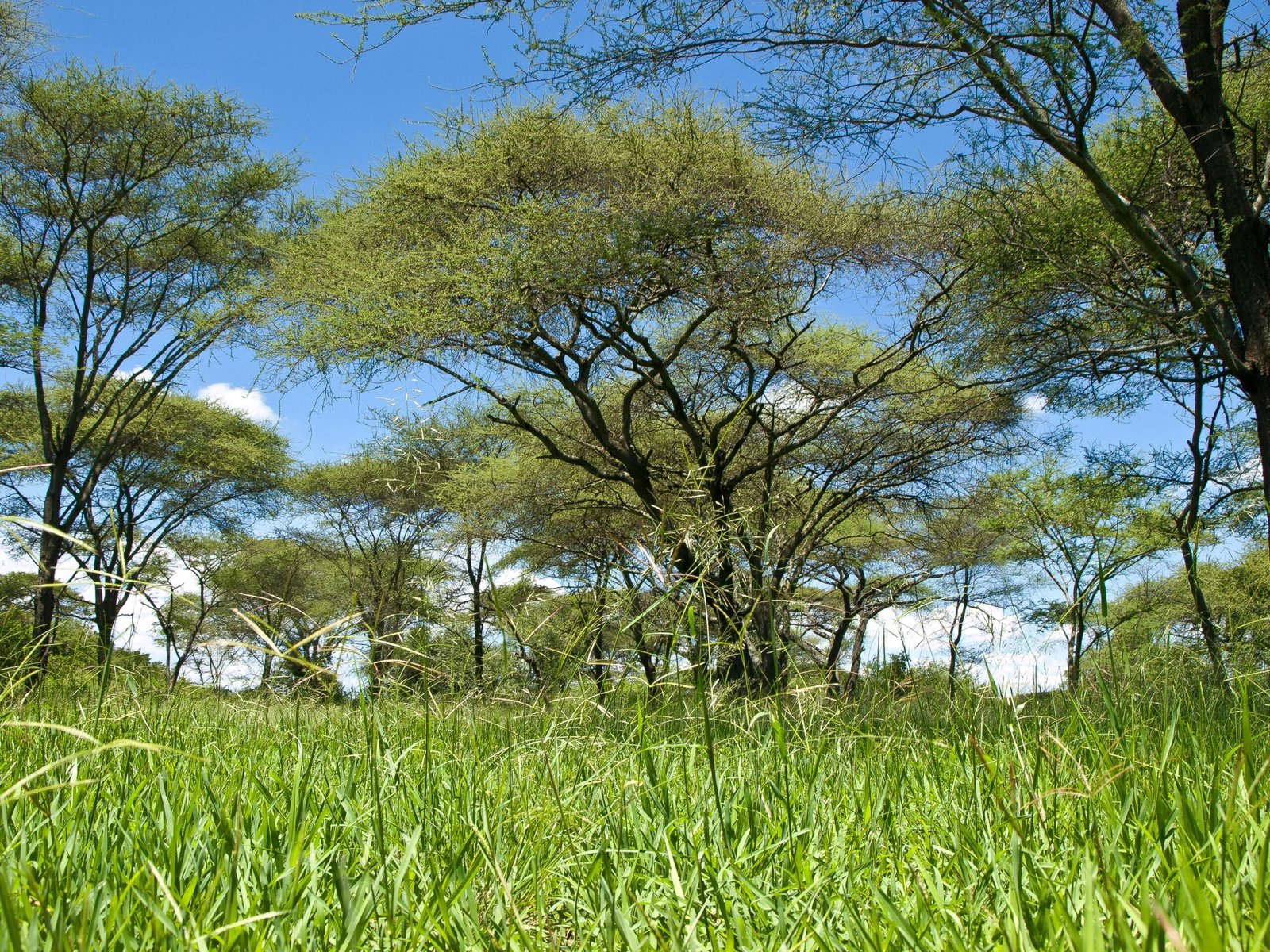
Photo by William Warby on Unsplash
[1] Individuals interviewed have agreed that their names may be cited in this research.
[*] Kiswahili for “it has not disappeared”.
25 / August / 2026
By: Ngaka Mosiane, Phathutshedzo Eugene Ratshiedana, and Wendy Tsoriyo
25 / August / 2026
By: Jackson Tamunosaki Jack
25 / August / 2026
By: Tholithemba Lorenzo Ndaba, Madoda Mkhobeni, and William Matlala
14 / August / 2026
By: Timothy Elikem Harvor and Alena Thiel
14 / August / 2026
By: Matthias C. J. De Groof