October / 22 / 2026
By: Tiny Dhlamini
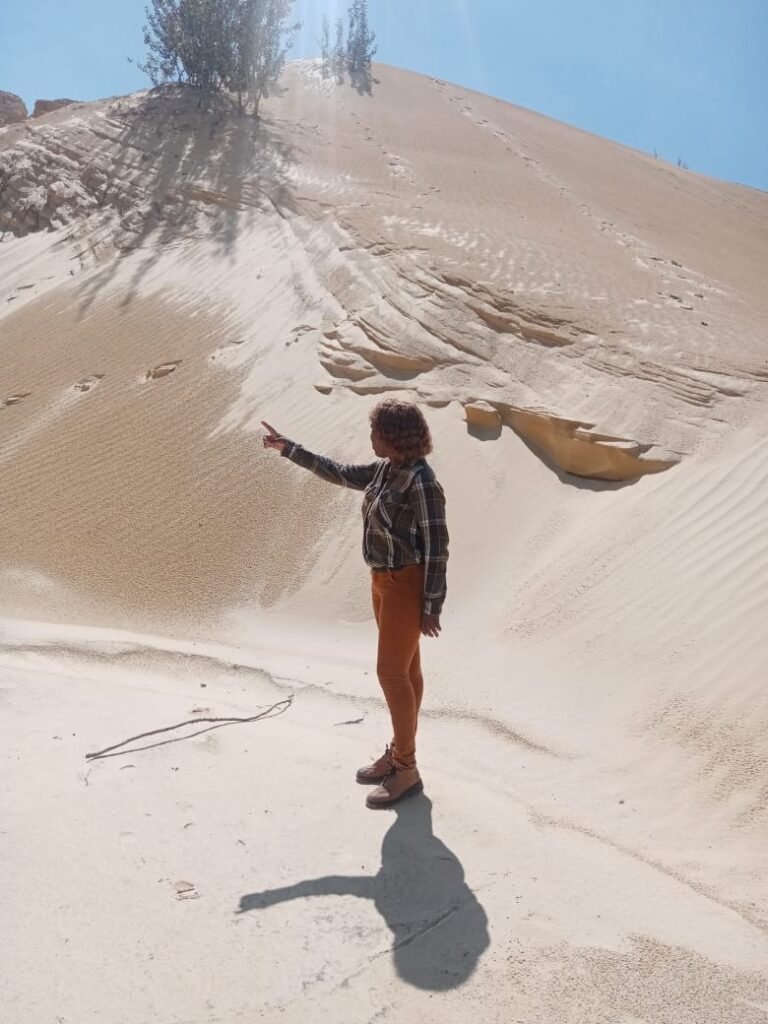
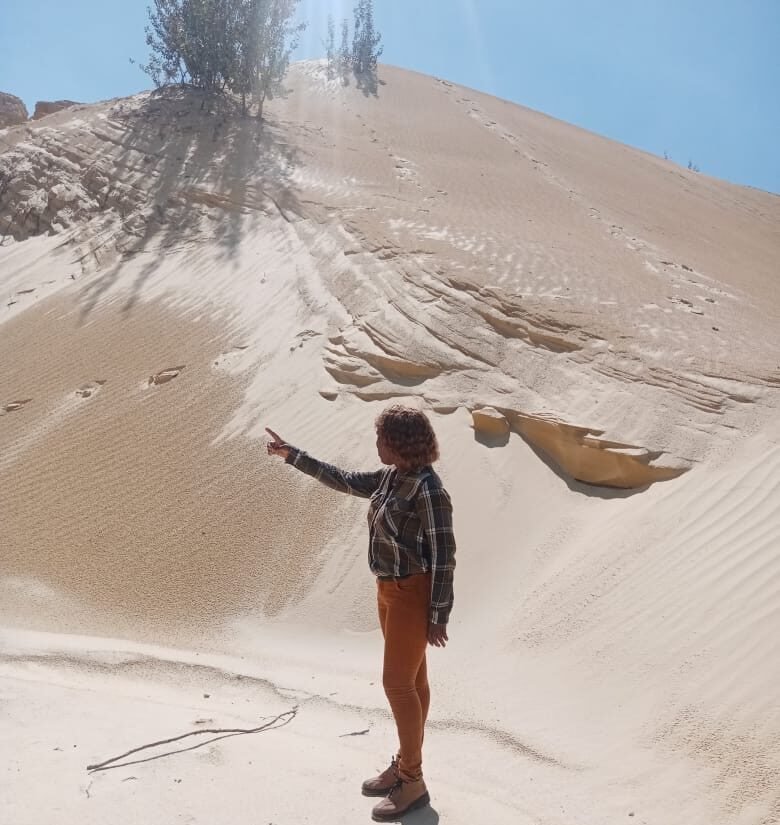
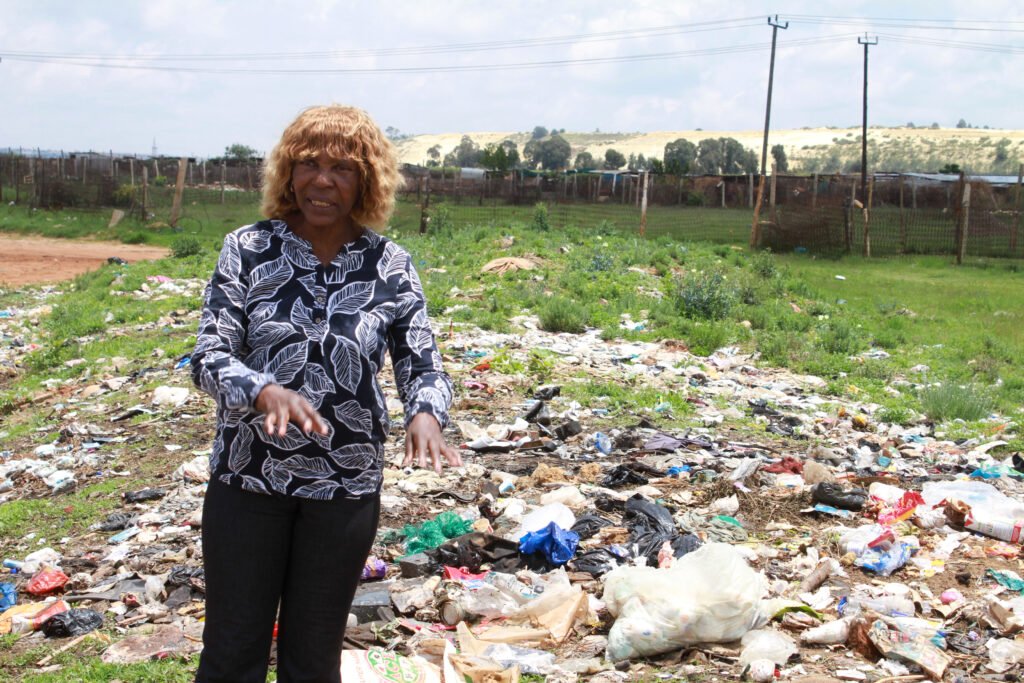
My name is Tiny Dhlamini, and I live in a small township beside a toxic mine dump.
The dust from that dump has caused so much pain in our community.
I arrived here in 2002.
From the very beginning, I noticed the dust.
It was always in the air, covering our homes and clothes.
When it touched the skin, it caused rashes that turned into sores.
People developed severe eczema.
One day my son got sick from this dust.
I took him to the clinic, and they sent us to the hospital.
That experience changed everything for me.
I wanted to understand what was happening to us,
so I started researching the dust myself.
I went from house to house,
speaking to families, seeing their struggles.
I was shocked by what I found.
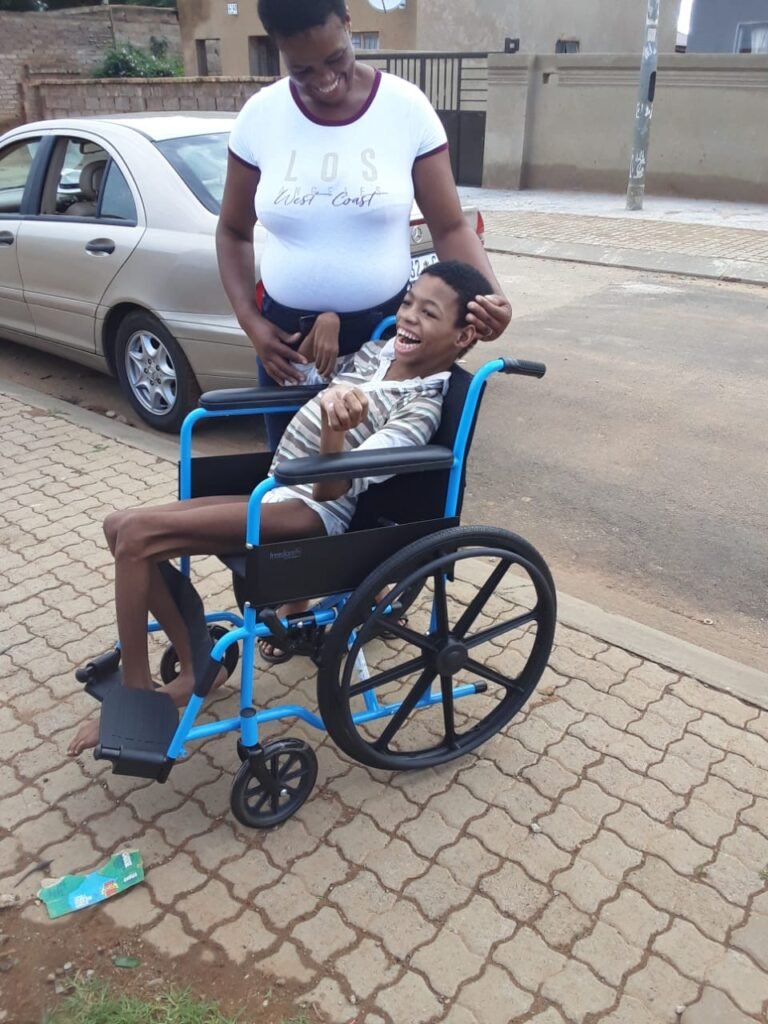
So many children were sick or disabled.
I saw children with cerebral palsy,
sometimes two in the same house.
There were children with short hands, big hands,
others with blindness, autism, asthma, sinus problems,
and brown eyes that seemed discoloured from the dust.
There were too many deformities,
and none of it made sense to me.
That was when I decided to speak out.
I started contacting the media.
The first journalists came from the Daily Sun, The Citizen, and The Star.
Soon, more newspapers and TV stations wanted to know my story.
Through the media, I met other people who lived near mine dumps.
When I visited other small townships,
I found they were suffering the same problems as we were.
Around that time, Wits University contacted me.
They invited me to meetings with other community activists
from different parts of the country.
Together, we formed MEJCON,
the Mining and Environmental Justice Community Network.
After MEJCON was formed, I became more active.
Through this work, I discovered the impact on animals too.
Farmers told me their animals were being born blind,
and others died after drinking water from streams near the mine.
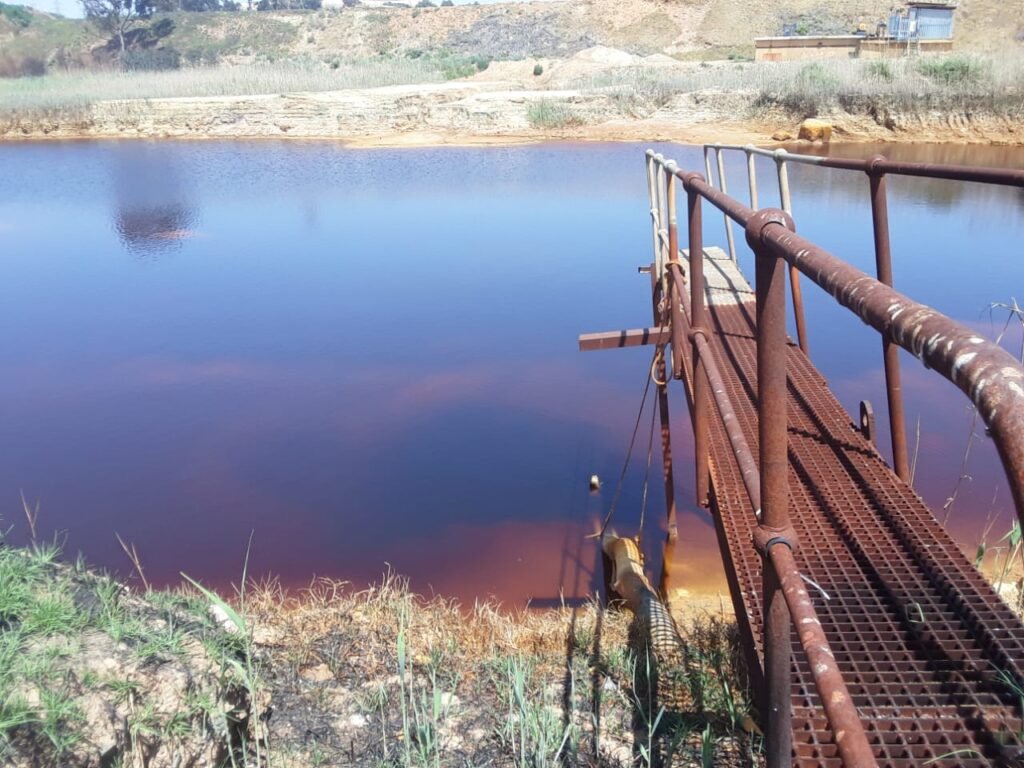
Some animals could no longer walk after eating contaminated grass.
Each time I found something, I called journalists
so that it could be published and people would know the truth.
Because of my activism, more NGOs reached out to me.
I started working with the Bench Marks Foundation,
and many others began to invite me to speak.
Then came the international media —
Al Jazeera, BBC World News, Newsroom Africa, Morning Live,
Motswako, Moja Love, German TV, and many more.
Together with Bench Marks Foundation and Al Jazeera,
we did a study to see if the deformities and illnesses
were truly linked to the mine dust.
The results confirmed it — there was a link.
During my visits to different mining communities,
I met the Zama Zamas,
men who risked their lives to dig gold from old mine shafts.
I watched them come out of deep, dangerous holes,
covered in dust,
washing gold with water from dirty streams or even sewage.
Their conditions shocked me.
I started documenting their lives with David van Wyk,
and we worked closely together.
We took journalists there,
including reporters from overseas,
so they could see what was really happening.
We even made a documentary about it.
Later, I joined the South African Water Caucus,
and I am still active with them today.
But after all these years,
I still wonder why justice is taking so long.
We activists believed our work would bring change,
but sometimes it feels like our pain has become
a way for others to make money.
Many NGOs exist because of our problems,
not for the solutions we need.
Still, I continue this journey.
I keep asking questions.
I keep walking, because my dream is to see justice
for my community, for my son, and for all those
who live and breathe this dust every day.
This is my story.
My long walk to justice.
And I will not stop walking.
26 / May / 2026
By: Ana Terra and Josiane dos Santos
26 / May / 2026
By: Dr. Laila Sandroni, Dr. Bruno Tarin, and Dr. Erika Larkins
26 / May / 2026
By: Juliana Tupinambá
27 / May / 2026
By: Dione Torquato
27 / May / 2026
By: Wilson Rocha